

- Nepal Tourism
- Devesh Tiwari
Nepal is a land of ancient temples, sacred mountains, spiritual traditions and historic pilgrimage routes. From the famous temples of Kathmandu Valley to the high-altitude shrine of Muktinath in Mustang, Nepal offers an extraordinary variety of religious and cultural destinations.
For travelers interested in spiritual tourism, Hindu pilgrimage, Buddhist heritage, ancient temples and Himalayan journeys, Nepal provides countless opportunities to experience centuries-old traditions and sacred landscapes.
The country is home to important temples dedicated to Lord Shiva, Lord Vishnu, Goddess Shakti, Lord Krishna and many other Hindu deities. Nepal is also an important center of Buddhism, with magnificent stupas, monasteries and sacred sites existing alongside Hindu temples.
Here are 21 famous temples in Nepal that should be considered when planning a Nepal pilgrimage or spiritual tour.
1. Pashupatinath Temple, Kathmandu
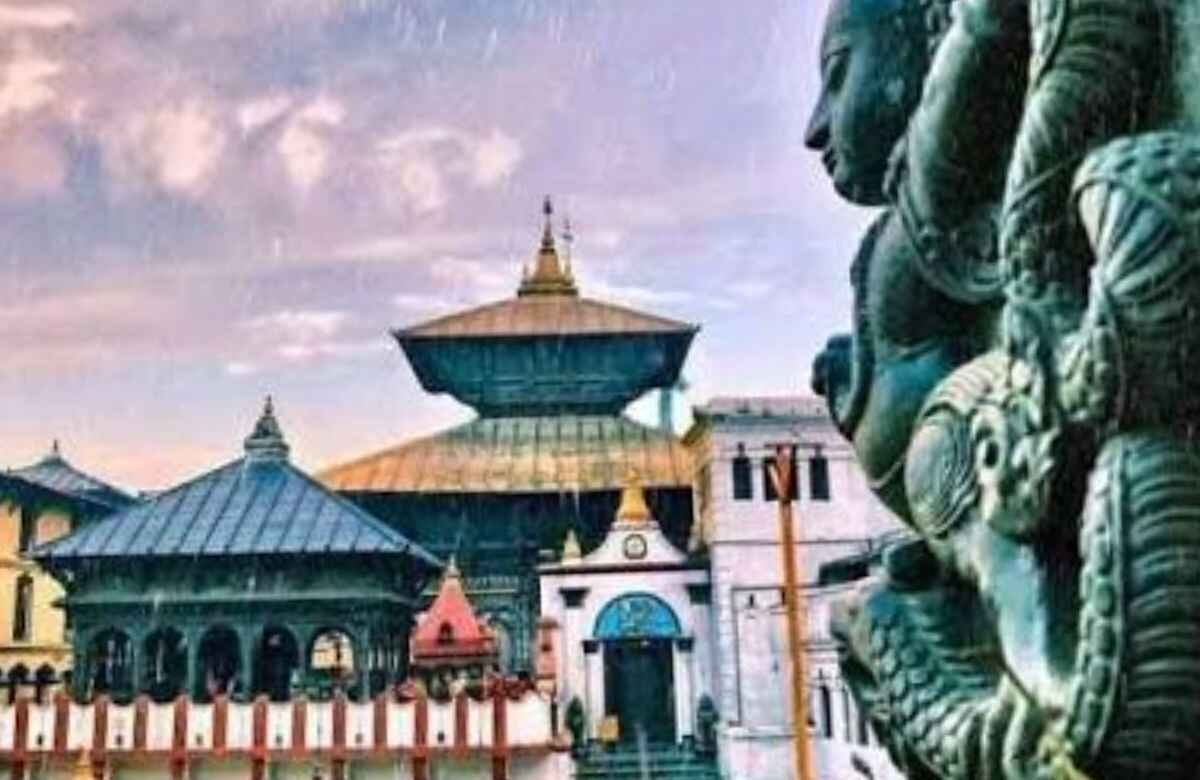
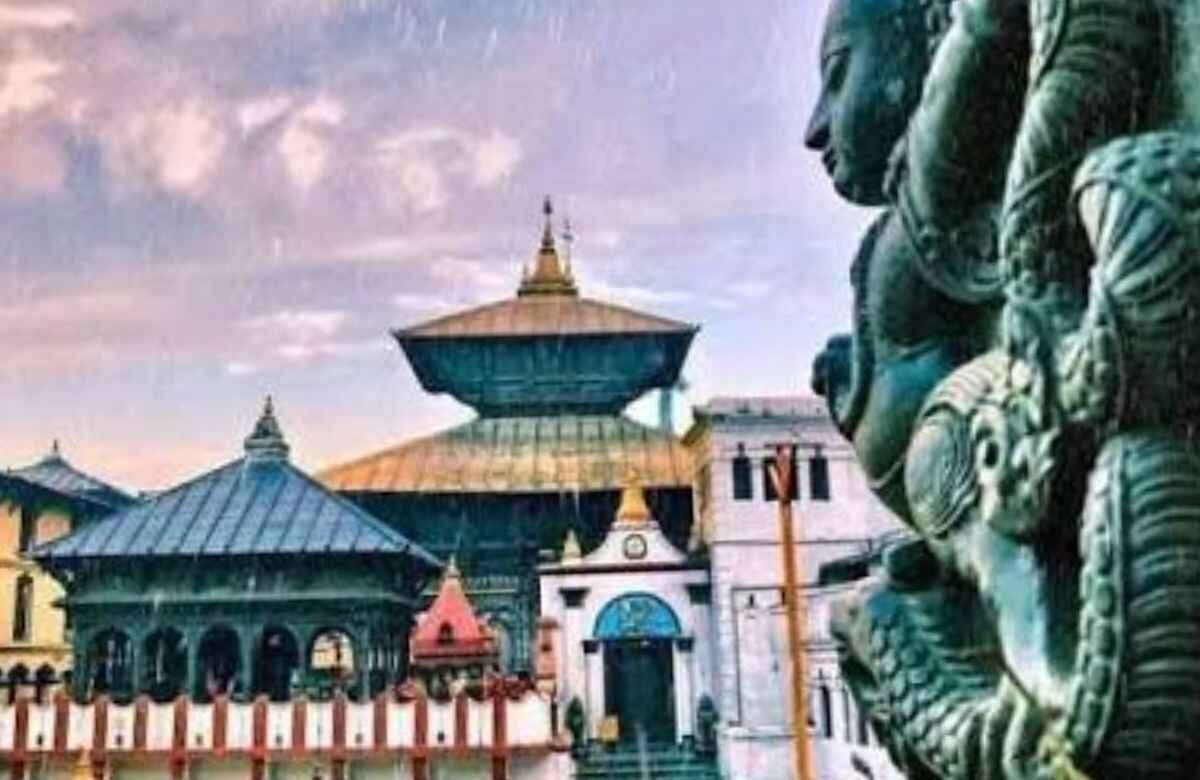
Pashupatinath Temple is one of the most important Hindu temples in Nepal and one of the country's most famous pilgrimage destinations. Located on the banks of the sacred Bagmati River in Kathmandu, the temple is dedicated to Lord Shiva in his form as Pashupati.
The large temple complex contains numerous shrines, temples, ashrams and religious monuments. The main temple is known for its traditional pagoda-style architecture, golden roof and beautifully carved details.
Pashupatinath becomes especially busy during Maha Shivaratri, when thousands of devotees and pilgrims visit the temple to offer prayers to Lord Shiva.
The Bagmati River ghats and evening religious ceremonies also form an important part of the spiritual atmosphere around the temple.
Best known for: Lord Shiva, Maha Shivaratri, Bagmati River and Hindu pilgrimage.
2. Janaki Mandir, Janakpur
Janaki Mandir in Janakpur is one of Nepal's most famous temples and an important destination associated with the Ramayana.
The temple is dedicated to Goddess Sita, also known as Janaki. According to Hindu tradition, Janakpur is associated with the ancient kingdom of Mithila and King Janak, the father of Sita.
The magnificent temple features a distinctive architectural style with large domes, arches and detailed decoration. Janakpur attracts pilgrims from Nepal, India and other parts of the world.
One of the most important festivals here is Vivah Panchami, which commemorates the marriage of Lord Rama and Goddess Sita.
Best known for: Goddess Sita, Ramayana heritage, Mithila culture and Vivah Panchami.
3. Muktinath Temple, Mustang
Muktinath Temple is one of the most significant pilgrimage destinations in the Himalayan region of Nepal. Located in the Mustang district at high altitude, Muktinath is considered sacred by both Hindus and Buddhists.
For Hindus, the temple is associated with Lord Vishnu and the attainment of spiritual liberation. Buddhists know the sacred area as Chumig Gyatsa, meaning "Hundred Waters."
The pilgrimage to Muktinath is also famous for its dramatic Himalayan scenery, traditional villages and unique landscape.
The nearby Jwala Mai Temple, known for its natural flame, adds another fascinating element to the spiritual journey.
Best known for: Lord Vishnu, Hindu-Buddhist pilgrimage, liberation and Himalayan spirituality.
4. Manakamana Temple, Gorkha
Manakamana Temple is one of Nepal's most popular pilgrimage destinations. Located on a hill in Gorkha District, the temple is dedicated to Goddess Bhagwati.
The name Manakamana is traditionally associated with the fulfillment of devotees' wishes. Pilgrims visit the temple to seek blessings and offer prayers to the goddess.
The temple is particularly popular because of the Manakamana Cable Car, which provides convenient access to the hilltop shrine while also offering beautiful views of the surrounding mountains and valleys.
Best known for: Goddess Bhagwati, wish-fulfillment traditions and cable-car pilgrimage.
5. Swayambhunath Temple, Kathmandu
Swayambhunath is one of the most recognizable religious landmarks in Kathmandu. It is popularly known as the Monkey Temple because of the monkeys found around the hilltop complex.
The site is an important Buddhist pilgrimage destination and is located on a hill overlooking Kathmandu Valley.
The famous white stupa, Buddha's eyes, prayer flags, prayer wheels and surrounding shrines create a unique spiritual environment.
Swayambhunath also reflects Nepal's long history of interaction between Buddhist and Hindu traditions.
Best known for: Buddhist heritage, the Monkey Temple, prayer flags and Kathmandu Valley views.
6. Boudhanath Stupa, Kathmandu
Boudhanath is one of the largest and most important Buddhist sacred sites in Nepal.
The enormous white dome, golden pinnacle and distinctive Buddha eyes make Boudhanath one of Kathmandu's most recognizable landmarks.
The area around the stupa is surrounded by monasteries, prayer wheels, traditional shops and restaurants, creating a vibrant Tibetan Buddhist atmosphere.
Visitors often walk around the stupa in a clockwise direction while spinning prayer wheels and observing devotees performing religious practices.
Best known for: Tibetan Buddhist culture, prayer wheels, monasteries and the famous Boudhanath Stupa.
7. Changu Narayan Temple, Bhaktapur
Changu Narayan Temple is one of Nepal's most important temples dedicated to Lord Vishnu.
Located on a hill near Bhaktapur, the temple is known for its ancient architecture, stone sculptures, wood carvings and historic inscriptions.
The surrounding area offers visitors an opportunity to experience traditional Newari culture and architecture.
Changu Narayan is particularly important for travelers interested in the history of Nepal's temples and religious art.
Best known for: Lord Vishnu, ancient sculptures, inscriptions and Newari architecture.
8. Dakshinkali Temple, Kathmandu
Dakshinkali Temple is a famous Hindu shrine dedicated to Goddess Kali, one of the powerful manifestations of the Divine Mother.
Located outside central Kathmandu, the temple attracts devotees throughout the year. Tuesdays and Saturdays are traditionally considered important days for worship.
The temple is surrounded by forested hills, providing a peaceful contrast to the busy streets of Kathmandu.
For travelers interested in Shakti traditions and Goddess worship, Dakshinkali is an important pilgrimage destination.
Best known for: Goddess Kali, Shakti worship and Hindu religious traditions.
9. Budhanilkantha Temple, Kathmandu
Budhanilkantha Temple is famous for its extraordinary image of Lord Vishnu reclining on the cosmic serpent Shesha.
The large stone image rests in a sacred water tank and is considered one of the most remarkable representations of Lord Vishnu in Nepal.
The temple is located in the northern part of Kathmandu Valley and attracts devotees as well as travelers interested in Hindu mythology and religious art.
The reclining Vishnu image makes Budhanilkantha different from many other temples in Nepal.
Best known for: Lord Vishnu, reclining Vishnu statue and Hindu mythology.
10. Taleju Temple, Kathmandu
Taleju Temple is an important historic temple associated with the former royal traditions of the Kathmandu Valley.
The temple is dedicated to Goddess Taleju Bhawani, who held an important position in the religious traditions of the Malla rulers.
Located in the historic Kathmandu Durbar Square area, the temple forms part of Kathmandu's remarkable architectural and cultural heritage.
Entry to the inner temple is restricted, and access may depend on religious occasions and local regulations.
Best known for: Goddess Taleju Bhawani, Malla history and Kathmandu Durbar Square.
11. Krishna Mandir, Patan
Krishna Mandir is one of the most impressive temples in Patan Durbar Square.
Dedicated to Lord Krishna, the temple is famous for its distinctive stone architecture and beautifully carved details.
Unlike many traditional pagoda-style temples in the Kathmandu Valley, Krishna Mandir has a distinctive shikhara-style design inspired by North Indian temple architecture.
The temple is particularly important during Krishna Janmashtami, when devotees gather to celebrate the birth of Lord Krishna.
Best known for: Lord Krishna, stone architecture and Krishna Janmashtami.
12. Bhadrakali Temple, Kathmandu
Bhadrakali Temple is dedicated to Goddess Bhadrakali, a powerful manifestation of the Divine Mother.
Located in Kathmandu, the temple is visited by devotees seeking protection, blessings and prosperity.
The temple plays an important role in local religious traditions and festivals and can easily be included in a Kathmandu spiritual tour.
Best known for: Goddess Bhadrakali, Shakti traditions and local religious festivals.
13. Guhyeshwari Temple, Kathmandu
Guhyeshwari Temple is one of the most important Shakti pilgrimage sites in Nepal.
Located near Pashupatinath, the temple is associated with Goddess Sati and the Shakti Peetha tradition.
For devotees following Shakta traditions, Guhyeshwari holds considerable spiritual significance. Its close proximity to Pashupatinath also allows pilgrims to visit several important sacred sites during the same journey.
Best known for: Goddess Shakti, Shakti Peetha tradition and Hindu pilgrimage.
14. Pathibhara Devi Temple, Taplejung
Pathibhara Devi Temple is one of the important pilgrimage destinations in eastern Nepal.
Located in the mountainous Taplejung region, the temple is dedicated to Goddess Pathibhara and attracts pilgrims who undertake a challenging journey through the Himalayan landscape to reach the shrine.
The journey itself is an important part of the experience, with beautiful mountain scenery surrounding the route.
Pathibhara is particularly popular among devotees seeking the blessings of the goddess.
Best known for: Goddess Pathibhara, Shakti worship and Himalayan pilgrimage.
15. Halesi Mahadev Temple, Khotang
Halesi Mahadev is an important pilgrimage site dedicated to Lord Shiva in eastern Nepal.
The temple is located within a fascinating cave complex, making it a unique combination of natural formations, mythology and religious traditions.
The caves and surrounding landscape add to the spiritual character of the pilgrimage.
Halesi Mahadev is particularly important for Shiva devotees and is often included in longer spiritual tours of eastern Nepal.
Best known for: Lord Shiva, sacred caves and Hindu pilgrimage.
16. Barah Kshetra, Sunsari
Barah Kshetra, also known as Varaha Kshetra, is an important Hindu pilgrimage destination in eastern Nepal.
The sacred site is associated with Lord Vishnu in his Varaha incarnation, the divine boar form of Vishnu.
Barah Kshetra has an important place in Hindu pilgrimage traditions and attracts devotees throughout the year.
The site is also associated with the sacred river landscape of eastern Nepal.
Best known for: Lord Vishnu, Varaha incarnation and Hindu pilgrimage.
17. Bindhyabasini Temple, Pokhara
Bindhyabasini Temple is one of the most important religious landmarks in Pokhara.
The temple is dedicated to Goddess Bindhyabasini, a revered form of the Divine Mother.
Located on an elevated area, the temple offers a peaceful environment and is surrounded by the natural beauty of the Pokhara region.
Visitors can combine a visit to Bindhyabasini Temple with Pokhara's famous lakes, mountain viewpoints and other cultural attractions.
Best known for: Goddess Bindhyabasini, spiritual tourism and Pokhara.
18. Tal Barahi Temple, Pokhara
Tal Barahi Temple is one of the most unique temples in Nepal because it is located on a small island in Phewa Lake in Pokhara.
The temple is dedicated to Goddess Barahi, a form associated with the Divine Mother.
Visitors normally reach the temple by boat, making the journey across Phewa Lake an important part of the experience.
The combination of a sacred temple, lake and Himalayan surroundings makes Tal Barahi a popular destination for both pilgrims and tourists.
Best known for: Goddess Barahi, Phewa Lake and island temple.
19. Jaleshwar Mahadev Temple, Mahottari
Jaleshwar Mahadev Temple is an important Shiva temple in the Terai region of Nepal.
Dedicated to Lord Shiva, the temple is associated with water and traditional Shiva worship.
The temple attracts devotees from surrounding areas and holds particular significance during major Hindu festivals dedicated to Lord Shiva.
It is an important religious destination for travelers exploring the pilgrimage sites of southern Nepal.
Best known for: Lord Shiva, water-based religious traditions and Terai pilgrimage.
20. Bageshwari Temple, Nepalgunj
Bageshwari Temple is one of the important Hindu temples in western Nepal.
Located in Nepalgunj, the temple is dedicated to Goddess Bageshwari and attracts devotees from different parts of Nepal and neighboring regions.
The temple is an important spiritual landmark for western Nepal and can be included in pilgrimage journeys covering Nepalgunj and destinations farther into the Himalayan region.
Best known for: Goddess Bageshwari and western Nepal pilgrimage.
21. Swargadwari Temple, Pyuthan
Swargadwari is an important spiritual destination in the hills of western Nepal.
Located in Pyuthan District, the pilgrimage site is surrounded by beautiful mountain landscapes and is associated with spiritual traditions and religious practices.
Unlike some of Nepal's large urban temples, Swargadwari offers a quieter pilgrimage experience in a mountainous environment.
For travelers interested in spiritual retreats and lesser-known pilgrimage destinations, Swargadwari can be an interesting addition to a Nepal itinerary.
Best known for: Spiritual traditions, pilgrimage and the hills of western Nepal.
Why Nepal Is Famous for Temples and Pilgrimage
Nepal's religious heritage is closely connected with its history, geography and culture. Hindu and Buddhist traditions have developed alongside each other for centuries, particularly in the Kathmandu Valley.
The country's sacred destinations range from ancient urban temples and stupas to remote Himalayan shrines.
A journey through Nepal can therefore combine religious tourism, cultural exploration, Himalayan landscapes and traditional festivals in a single itinerary.
Kathmandu is particularly important because several major religious sites are located within a relatively small area. Pashupatinath, Guhyeshwari, Boudhanath, Swayambhunath and Budhanilkantha can all be included in a Kathmandu spiritual tour.
Outside Kathmandu, destinations such as Janakpur, Manakamana, Pokhara and Muktinath provide completely different pilgrimage experiences.
Best Time to Visit Temples in Nepal
Nepal can be visited throughout the year, but the ideal season depends on the destination and the type of journey.
For Kathmandu, Janakpur and Pokhara, temple visits can generally be combined with sightseeing throughout the year.
For high-altitude pilgrimage destinations such as Muktinath and Pathibhara, weather and road conditions should be considered before planning the journey.
Festival seasons can also be particularly meaningful. Maha Shivaratri is an important period for Pashupatinath, while Vivah Panchami attracts large numbers of devotees to Janaki Mandir in Janakpur.
Travelers should check local temple timings and festival schedules before traveling, as opening hours, access rules and crowd levels can vary.
Nepal Temple Tour: How to Plan Your Journey
A Nepal temple tour can be designed according to your interests, available time and preferred travel style.
Kathmandu Spiritual Tour
A Kathmandu pilgrimage itinerary can include Pashupatinath, Guhyeshwari, Budhanilkantha, Swayambhunath and Boudhanath.
Ramayana Pilgrimage
Travelers interested in the Ramayana can focus on Janakpur and Janaki Mandir, along with other cultural destinations in the Mithila region.
Himalayan Pilgrimage
For travelers looking for a combination of spirituality and mountains, Muktinath is one of the most significant destinations.
Hindu-Buddhist Spiritual Tour
A broader itinerary can combine Hindu temples with Buddhist sites such as Swayambhunath and Boudhanath, providing an opportunity to experience Nepal's diverse religious heritage.
Before visiting any temple, travelers should respect local customs regarding dress, photography, footwear, entry restrictions and religious practices.
Frequently Asked Questions About Famous Temples in Nepal
Which is the most famous temple in Nepal?
Pashupatinath Temple in Kathmandu is one of the most famous and important Hindu temples in Nepal. It is dedicated to Lord Shiva and attracts pilgrims throughout the year.
Which temple in Nepal is dedicated to Goddess Sita?
Janaki Mandir in Janakpur is dedicated to Goddess Sita, also known as Janaki. The temple is closely associated with the Ramayana and Mithila traditions.
Which are the famous Shiva temples in Nepal?
Some of the well-known Shiva pilgrimage sites include Pashupatinath, Halesi Mahadev and Jaleshwar Mahadev.
Which temples in Nepal are dedicated to Lord Vishnu?
Important Vishnu-related pilgrimage sites include Muktinath, Changu Narayan and Budhanilkantha.
Is Muktinath a Hindu or Buddhist pilgrimage site?
Muktinath is sacred to both Hindus and Buddhists. This shared religious importance makes it one of the most unique pilgrimage destinations in Nepal.
Which are the famous Buddhist religious sites in Nepal?
Swayambhunath and Boudhanath are among the most famous Buddhist sacred sites in Nepal. Both are major landmarks of Kathmandu Valley.
Which temple is famous for the Ramayana connection?
Janaki Mandir in Janakpur is the most prominent temple associated with the Ramayana, particularly the life and traditions of Goddess Sita.
Which temple in Nepal is located on an island?
Tal Barahi Temple is located on a small island in Phewa Lake in Pokhara and is dedicated to Goddess Barahi.
Which Nepal temple is famous for its cable car?
Manakamana Temple is famous for its cable-car journey, which takes pilgrims and visitors up to the hilltop temple.
Conclusion
The 21 famous temples in Nepal represent the country's extraordinary spiritual, cultural and architectural diversity.
From the sacred Pashupatinath Temple and the Ramayana heritage of Janaki Mandir to the Himalayan pilgrimage of Muktinath, the hilltop shrine of Manakamana, the Shakti temples of Dakshinkali and Pathibhara, and the Buddhist landmarks of Swayambhunath and Boudhanath, Nepal offers a remarkable range of religious experiences.
For travelers planning a Nepal pilgrimage tour, Nepal temple tour or spiritual journey, these destinations provide an opportunity to experience ancient traditions while exploring Nepal's mountains, valleys, historic cities and diverse cultures.
A well-planned Nepal spiritual tour can bring together temples, pilgrimage sites, Himalayan landscapes, local traditions and cultural experiences, making the journey much more than simply visiting religious monuments.