

- Nepal Tourism
- @nagarjuna_travels
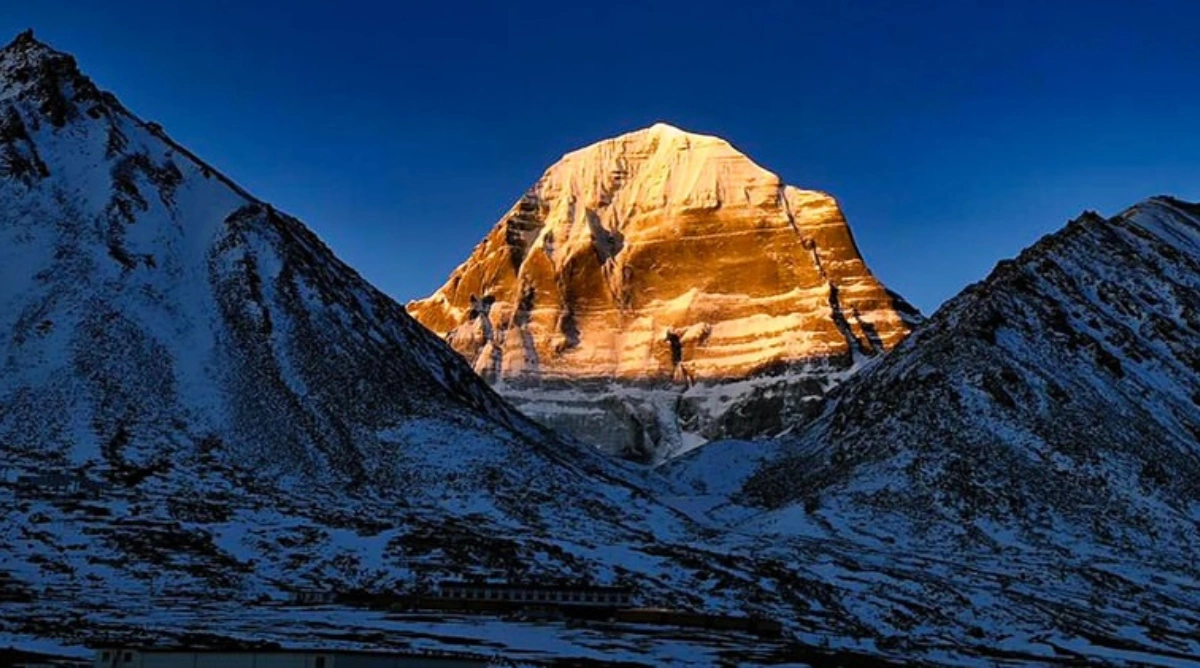
The Simikot to Hilsa helicopter service has become one of the most important and reliable links for pilgrims undertaking the Kailash Mansarovar Yatra via Nepal. This short but crucial helicopter sector significantly reduces physical strain, travel time, and risk, making the sacred journey to Mount Kailash accessible to a wider group of devotees, including senior citizens and spiritual travelers seeking comfort.
Operating in one of the most remote Himalayan regions, this service bridges the challenging terrain between Simikot and the Nepal–Tibet border at Hilsa, allowing pilgrims to focus on the spiritual purpose of the yatra rather than difficult logistics.
Simikot and Hilsa: The Gateway to Kailash
Simikot is the administrative headquarters of Nepal’s Humla district and the main staging point for the Kailash Yatra through western Nepal. Due to the absence of proper road connectivity and extremely rugged geography, air travel is the safest and most practical option here.
Hilsa is a small border settlement located along the Karnali River, marking the entry point into Tibet. From Hilsa, pilgrims cross into Tibet and continue their journey towards Mount Kailash and Lake Mansarovar by road.
Why the Simikot–Hilsa Helicopter Service Is Crucial
Before helicopter operations became common, pilgrims had to trek for long hours or rely on unpredictable off-road routes to reach Hilsa. The introduction of helicopter services transformed the Kailash Yatra by making it faster, safer, and far less exhausting. Today, this route is considered one of the most efficient ways to access the Tibet border while conserving energy for the spiritually demanding Kailash Parikrama.
For pilgrims with limited time, health concerns, or age-related limitations, the helicopter service often makes the difference between completing or abandoning the yatra.
Helicopter Flight Details and Experience
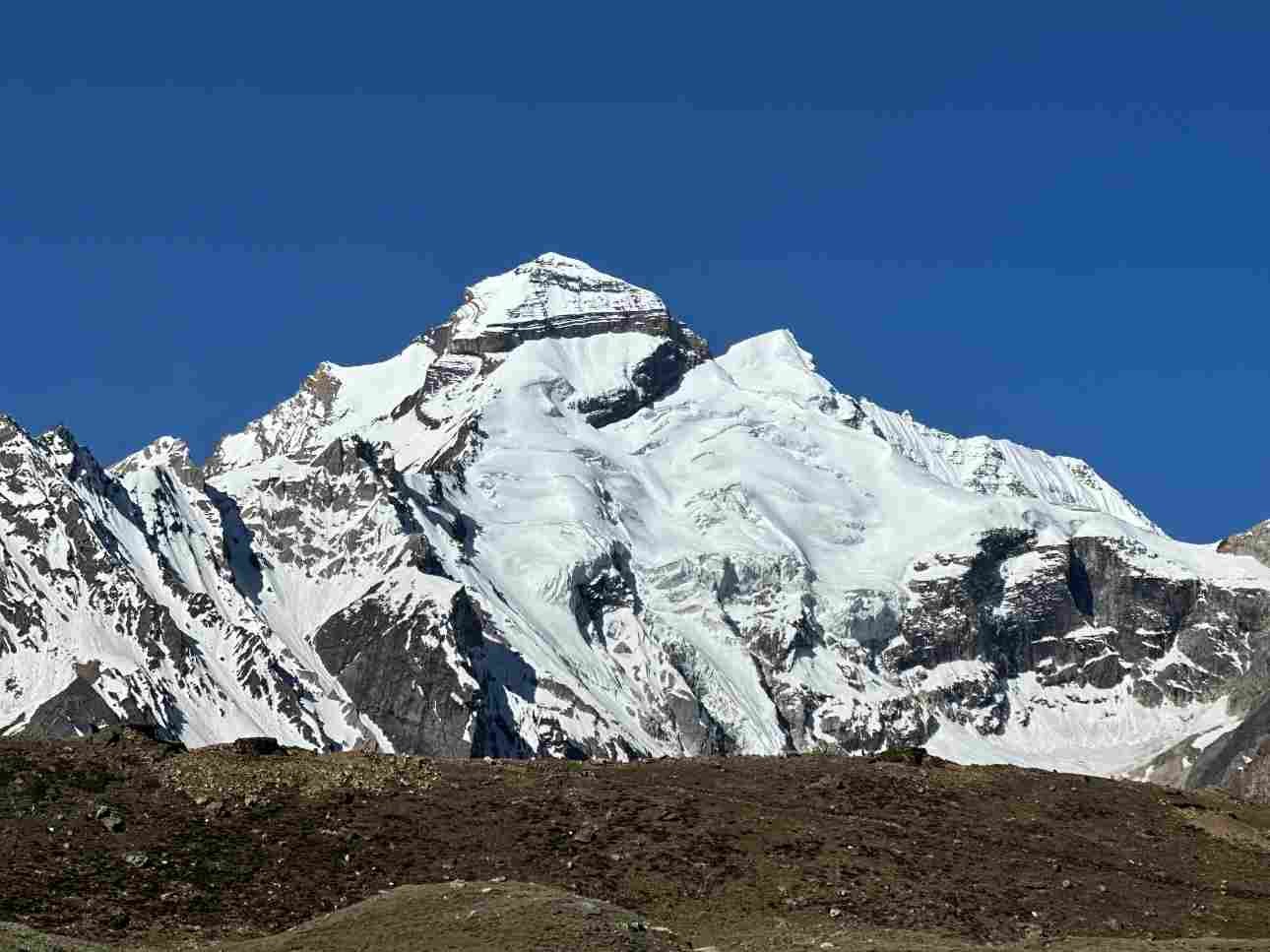
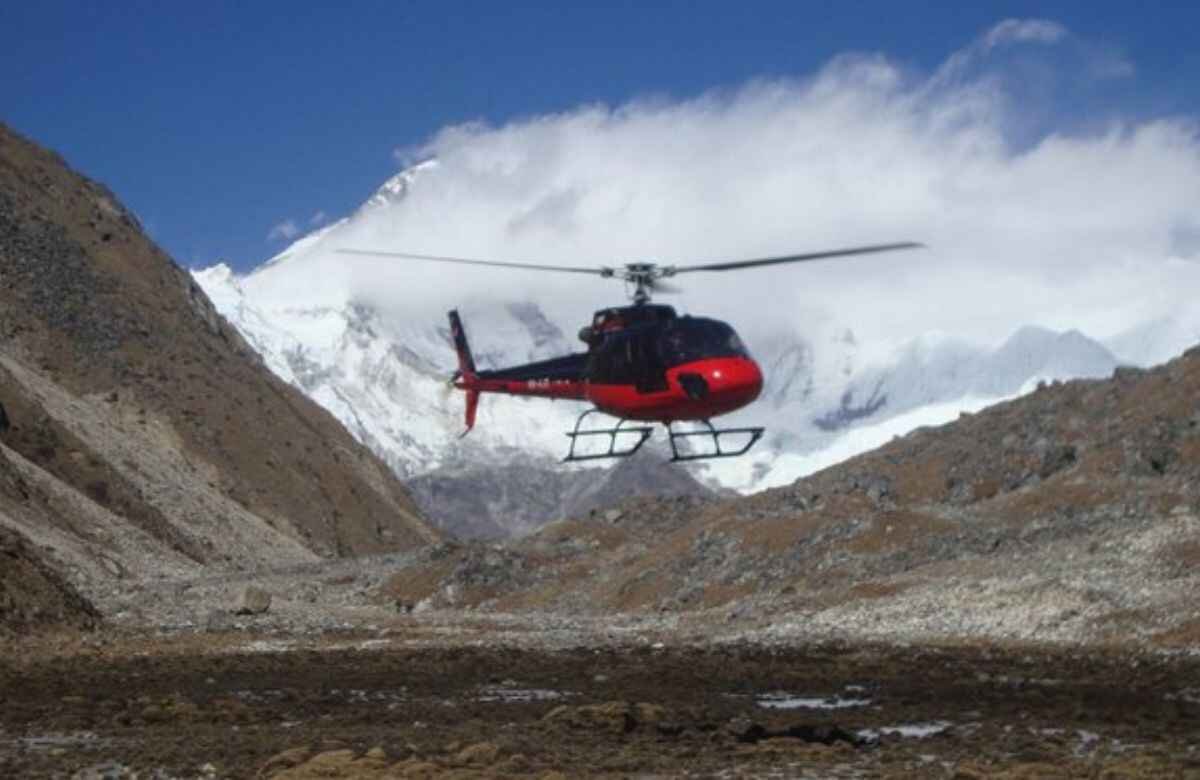
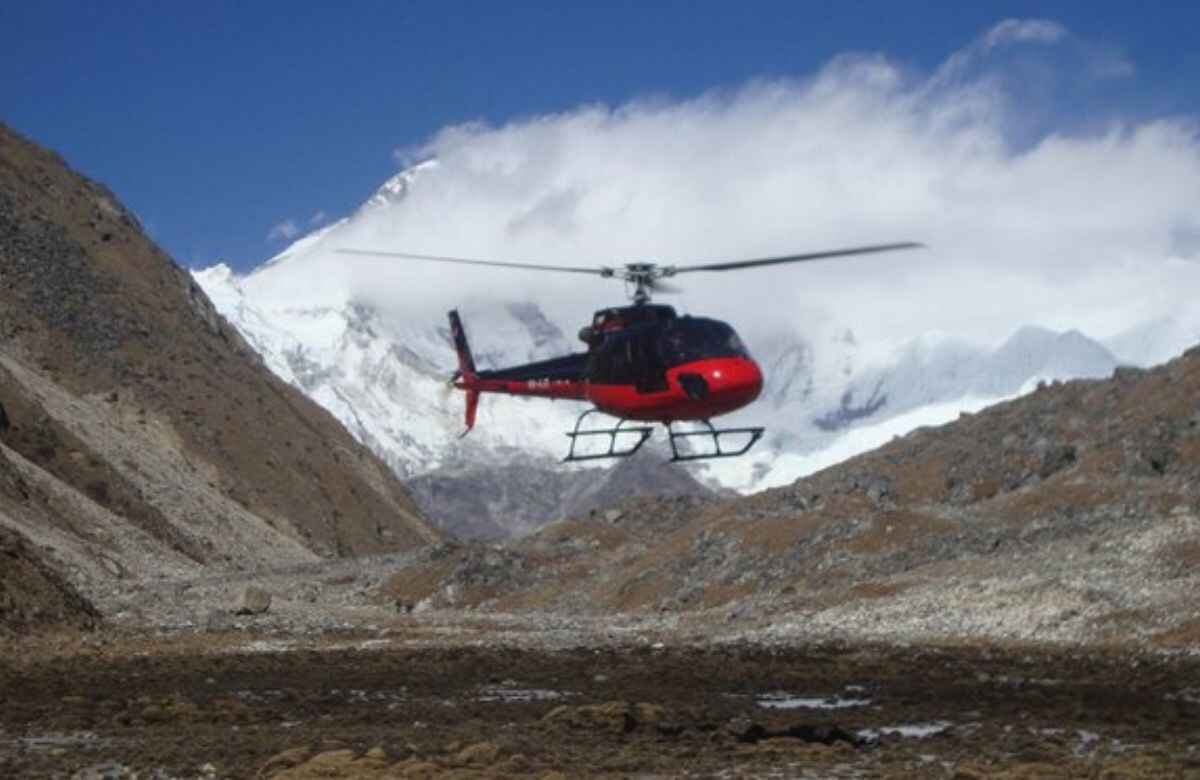
The helicopter flight operates between Simikot Airport and the Hilsa Helipad and usually takes around 15 to 20 minutes, depending on weather conditions. Though short, the flight offers stunning aerial views of snow-covered Himalayan peaks, deep valleys, and isolated mountain settlements.
High-altitude–capable helicopters are used on this route, and operations are handled by experienced pilots familiar with the demanding Himalayan flying environment. This segment is often remembered as one of the most scenic highlights of the entire Kailash journey.
How Pilgrims Reach Simikot
Most Kailash Yatra itineraries reach Simikot via Kathmandu and Nepalgunj. Pilgrims first fly from Kathmandu to Nepalgunj and then take a mountain flight to Simikot. An overnight stay at Simikot is usually planned to allow acclimatization before boarding the helicopter to Hilsa.
This gradual ascent helps reduce the risk of altitude sickness and prepares the body for higher elevations in Tibet.
Role in the Kailash Mansarovar Yatra
The Simikot–Hilsa helicopter service is now a core component of many standard and luxury Kailash Mansarovar Yatra packages. By bypassing the most difficult terrain, it ensures smoother coordination with Tibet-side transport and helps keep the overall itinerary on schedule.
Pilsee that pilgrims who travel by helicopter generally arrive in better physical condition, which improves the success rate of completing the Kailash Parikrama.
Weather and Operational Limitations
Despite its advantages, the helicopter service is entirely dependent on weather conditions. The Simikot–Hilsa sector is prone to sudden cloud cover, high winds, and poor visibility. Flight delays or cancellations are common, especially during the monsoon-influenced periods.
Experienced tour operators always include buffer days in the itinerary and maintain close coordination with helicopter companies to manage weather-related disruptions smoothly.
Health, Safety, and Acclimatization
Both Simikot and Hilsa are located at high altitude, and mild altitude-related discomfort is common. Pilgrims are advised to rest adequately at Simikot, stay hydrated, and avoid unnecessary exertion before the helicopter flight. Medical fitness checks prior to the yatra are strongly recommended, particularly for elderly travelers.
Professional Kailash Yatra operators closely monitor health conditions and follow strict safety protocols during helicopter operations.
Cost Perspective
The Simikot–Hilsa helicopter sector is considered one of the premium components of the Kailash Mansarovar Yatra, primarily due to the challenging operating environment and specialized logistics involved. Helicopter operations in this remote Himalayan region require high-altitude–capable aircraft, experienced pilots, and strict safety protocols, all of which significantly increase operational costs.
Key factors contributing to the higher cost include:
-
High operating expenses, as helicopters must be specially equipped and maintained for high-altitude mountain flying.
-
Limited aviation infrastructure at Simikot and Hilsa, where fuel supply, maintenance support, and emergency facilities are scarce.
-
Narrow weather windows, which often result in delays, rescheduling, and additional standby costs for aircraft and crew.
-
Short flying season, increasing demand within a limited timeframe and raising overall operational pricing.
Despite the higher cost, most pilgrims feel the expense is well justified. The helicopter service dramatically reduces travel time, minimizes physical fatigue, and enhances overall safety, especially for senior citizens and spiritual travelers. For many, the comfort, reliability, and peace of mind it provides make the Simikot–Hilsa helicopter sector a valuable and worthwhile investment in their Kailash Yatra.
Final Overview
The Simikot to Hilsa helicopter service has revolutionized the Kailash Mansarovar Yatra via Nepal by making one of the most challenging Himalayan segments manageable and safe. For pilgrims who wish to experience Mount Kailash with peace of mind, physical comfort, and better time management, this helicopter route remains one of the best and most trusted options available today.