



- Asia Travel Blogs
- Devesh Tiwari
Singapore is famous for its modern skyline, luxury shopping malls, beautiful gardens and vibrant nightlife. However, beyond its contemporary attractions, the city-state has a rich spiritual heritage that reflects centuries of migration, religious traditions and cultural diversity. From colourful Hindu temples and historic Chinese shrines to magnificent Buddhist monasteries, the temples in Singapore offer visitors a unique opportunity to explore the country's spiritual and cultural identity.
Whether you are an Indian traveller looking for Hindu temples, a devotee interested in Lord Shiva, Lord Vishnu or Goddess Mariamman, or a tourist fascinated by Buddhist traditions and Asian architecture, Singapore has several remarkable places of worship worth visiting.
Many of these temples are located in historic neighbourhoods such as Chinatown, Little India and Rochor, making it possible to explore several religious landmarks during a single trip.
1. Sri Mariamman Temple
Location: 244 South Bridge Road, Chinatown
Sri Mariamman Temple is one of the most important religious landmarks in Singapore and the oldest Hindu temple in the country. Founded in 1827, it has served generations of Hindu worshippers and remains a significant centre of Tamil Hindu culture.
Dedicated to Goddess Mariamman, who is traditionally associated with protection and healing, the temple is renowned for its impressive gopuram, an ornamental entrance tower covered with colourful sculptures of Hindu deities and mythological figures.
Inside the temple, visitors can discover traditional Hindu shrines, intricate decorative details and an atmosphere of devotion. Its architecture provides a glimpse into the South Indian temple traditions brought to Singapore by early Indian settlers.
One of the temple's most important celebrations is Theemithi, the traditional fire-walking ceremony associated with Draupadi. The festival attracts devotees and visitors interested in experiencing Singapore's living Hindu heritage.
Why visit: To experience Hindu traditions, admire Dravidian-inspired architecture and explore one of Singapore's most historically significant temples.
2. Buddha Tooth Relic Temple and Museum
Location: 288 South Bridge Road, Chinatown
The Buddha Tooth Relic Temple and Museum is among Singapore's best-known Buddhist landmarks. Established in 2007, the temple is inspired by Tang Dynasty architectural traditions and features an elaborate exterior, ornate interiors and richly decorated Buddhist shrines.
The temple takes its name from a tooth relic believed by Buddhists to belong to Gautama Buddha. The relic is housed in an elaborate gold stupa, which forms an important part of the temple's religious significance.
Beyond its role as a place of worship, the complex includes museum spaces dedicated to Buddhist traditions, sacred relics and religious history. Visitors can learn more about Buddhist philosophy and the development of Buddhist communities across Asia.
The temple is particularly appealing to travellers who enjoy combining spiritual experiences with cultural learning and architectural exploration. Admission to the temple is generally free, although visitors should check access arrangements for specific areas before arriving.
Why visit: For Buddhist heritage, intricate Chinese architecture and an opportunity to learn about Buddhist traditions.
3. Sri Veeramakaliamman Temple
Location: Serangoon Road, Little India
Sri Veeramakaliamman Temple is a prominent Hindu temple dedicated to Goddess Kali, a powerful form of the Divine Mother associated with strength, protection and the destruction of evil.
Located in Little India, the temple is an important spiritual centre for Singapore's Hindu community. Its vibrant architecture, elaborate deity sculptures and colourful decorations make it one of the area's most recognisable religious landmarks.
Devotees visit the temple to offer prayers and seek the blessings of Goddess Kali. The atmosphere can become particularly lively during religious festivals and special occasions.
For Indian visitors, the temple offers a familiar connection to Hindu devotional traditions while providing an insight into how these traditions continue to thrive outside India.
Why visit: To seek blessings from Goddess Kali and explore one of Little India's most distinctive Hindu temples.
4. Sri Srinivasa Perumal Temple
Location: 397 Serangoon Road, Little India
Sri Srinivasa Perumal Temple is one of Singapore's most important Vaishnavite Hindu temples. It is dedicated to Lord Vishnu, worshipped here as Sri Srinivasa Perumal.
The temple has a long history within Singapore's Indian community and is recognised for its association with the Vaishnavite tradition. Its current architectural structure dates largely to the twentieth century, although the temple's origins are older.
Visitors can admire the ornate gopuram, religious sculptures and traditional Hindu temple layout. Devotees visit to pray for prosperity, peace and well-being.
The temple is also historically significant as a starting point for the Thaipusam procession, which proceeds towards other important Hindu religious sites in Singapore.
Why visit: For devotees of Lord Vishnu and travellers interested in Vaishnavite traditions.
5. Thian Hock Keng Temple
Location: 158 Telok Ayer Street
Thian Hock Keng Temple is one of Singapore's most historically significant Chinese temples. Its name is commonly translated as the Temple of Heavenly Happiness.
The temple was built by the Hokkien community and dedicated to Mazu, the Chinese sea goddess traditionally worshipped for protection during sea voyages. Early Chinese immigrants visited the temple to express gratitude for safe journeys and pray for protection.
The building is celebrated for its traditional southern Chinese architectural style, intricate roof decorations, ornamental carvings and colourful ceramic details. Its historic setting offers a window into the experiences of the Chinese communities that helped shape Singapore.
Unlike modern tourist attractions, Thian Hock Keng remains a place of religious and cultural importance, making it an interesting destination for visitors seeking a deeper understanding of Singapore's history.
Why visit: For Chinese heritage, traditional architecture and the history of early maritime communities.
6. Sri Thendayuthapani Temple
Location: Tank Road, Singapore
Sri Thendayuthapani Temple is a major Hindu temple dedicated to Lord Murugan, the son of Lord Shiva and Goddess Parvati. Lord Murugan is worshipped by devotees seeking courage, wisdom, protection and spiritual strength.
The temple is particularly associated with Singapore's Tamil Hindu community and is an important destination during Thaipusam, one of the most visually striking Hindu festivals celebrated in the country.
During Thaipusam, devotees undertake a procession as an act of devotion and fulfilment of vows. Some carry kavadis, elaborate ceremonial structures, while others carry milk pots as offerings to Lord Murugan.
The festival creates a powerful atmosphere of faith, discipline and community participation.
Why visit: For Lord Murugan's blessings and to understand the significance of Thaipusam in Singapore.
7. Sri Krishnan Temple
Location: Waterloo Street, Singapore
Sri Krishnan Temple is an important Hindu temple dedicated to Lord Krishna. Situated in a busy central area, it offers a peaceful place for devotees to pray and participate in Hindu religious observances.
Lord Krishna is worshipped as an incarnation of Lord Vishnu and is associated with love, wisdom, compassion and the teachings of the Bhagavad Gita.
The temple is especially meaningful to devotees who wish to maintain their connection with Krishna worship while living in or travelling through Singapore.
Its location near other religious landmarks also makes it convenient for travellers exploring the city's diverse spiritual traditions.
Why visit: For Krishna devotees and visitors interested in Vaishnavite worship.
8. Sri Senpaga Vinayagar Temple
Location: Ceylon Road, eastern Singapore
Sri Senpaga Vinayagar Temple is dedicated to Lord Ganesha, the Hindu deity associated with wisdom, prosperity and the removal of obstacles.
The temple has strong historical links with Singapore's Tamil community, particularly people of Sri Lankan Tamil heritage. Its religious identity reflects the diverse origins of Hindu communities in Singapore.
Devotees visit to pray before important life events, seek blessings for new beginnings and express gratitude.
The temple's traditional Hindu architecture and devotional atmosphere make it an appealing stop for visitors interested in Lord Ganesha and the cultural heritage of Singapore's Indian diaspora.
Why visit: To seek Lord Ganesha's blessings and explore the Sri Lankan Tamil Hindu tradition.
9. Kwan Im Thong Hood Cho Temple
Location: Waterloo Street, Singapore
Kwan Im Thong Hood Cho Temple is a well-known Chinese temple dedicated to Guanyin, the Bodhisattva associated with compassion and mercy.
The temple attracts devotees who pray for guidance, peace, good fortune and protection. It is especially popular during important Chinese religious occasions and the Lunar New Year period.
Visitors can observe traditional Chinese religious customs and learn about the role of Guanyin in East Asian Buddhist devotion.
The temple's location in central Singapore makes it relatively easy to combine with nearby cultural attractions and other places of worship.
Why visit: For a glimpse into Chinese Buddhist devotional traditions and the worship of Guanyin.
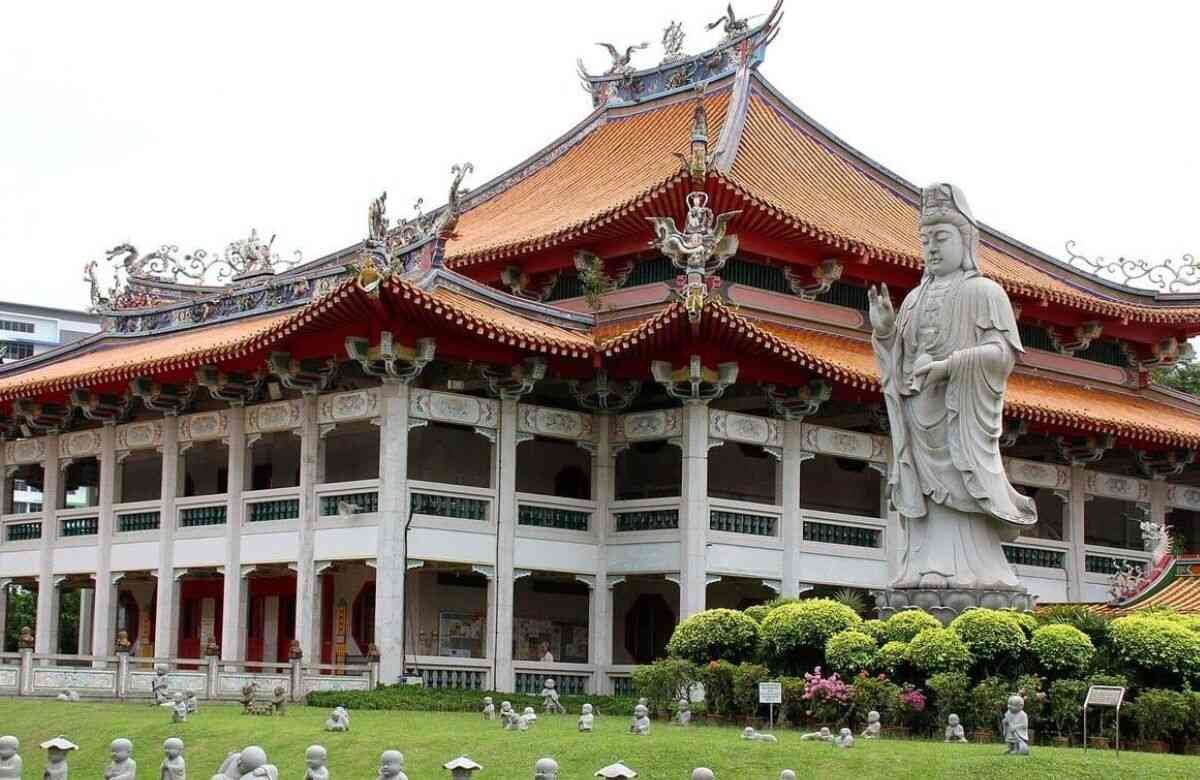
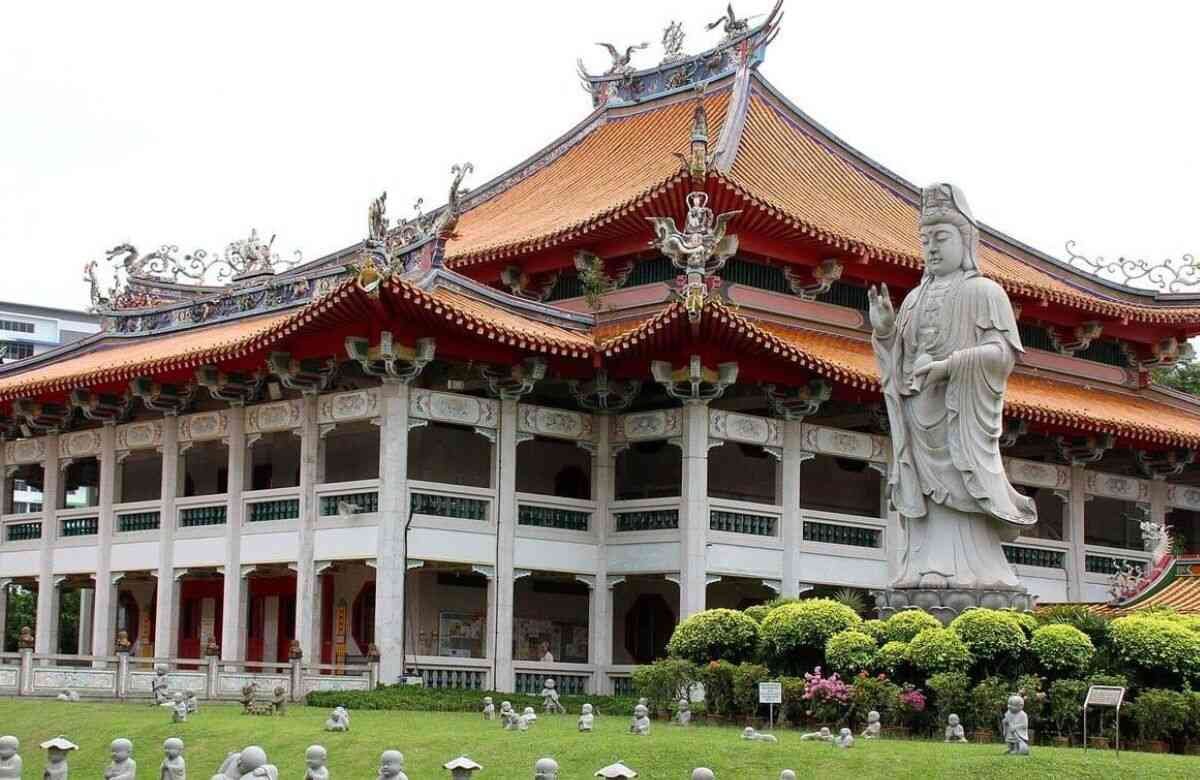
10. Kong Meng San Phor Kark See Monastery
Location: Bright Hill Road, Singapore
Kong Meng San Phor Kark See Monastery is one of Singapore's largest and most prominent Buddhist monastery complexes. It offers a different experience from the smaller temples found in Chinatown and Little India.
The monastery includes extensive grounds, prayer halls, Buddhist statues, ceremonial spaces and areas for reflection. Its scale and peaceful surroundings make it a destination for those interested in Buddhist philosophy, meditation and religious architecture.
The complex serves as a centre for Buddhist practice, education and community activities. Visitors should remain mindful that it is an active religious institution rather than simply a sightseeing attraction.
Why visit: For a peaceful spiritual experience, Buddhist architecture and an opportunity to learn about monastic traditions.
11. Sakya Muni Buddha Gaya Temple
Location: Race Course Road, Little India area
Sakya Muni Buddha Gaya Temple is popularly known as the Temple of 1,000 Lights. It is famous for its large Buddha statue and the distinctive atmosphere created by its illuminated religious surroundings.
The temple reflects Buddhist traditions associated with devotion to Gautama Buddha and provides a place for prayer and contemplation.
Its location in the Little India area makes it a convenient addition to a cultural itinerary that includes nearby Hindu temples and historic neighbourhoods.
For travellers interested in Buddhist art, symbolism and religious diversity, the temple provides a memorable contrast with Singapore's Chinese Buddhist monasteries.
Why visit: To see its impressive Buddha statue and experience a distinctive Buddhist place of worship.
12. Leong San See Temple
Location: Race Course Road, Singapore
Leong San See Temple is a historic Chinese Buddhist temple in Singapore. Its name is often associated with the Dragon Mountain Temple tradition.
The temple is known for traditional Chinese decorative elements, religious imagery and a peaceful atmosphere within the surrounding urban neighbourhood.
Visitors interested in Chinese culture can explore the temple's architectural details and observe how historic religious institutions remain part of everyday community life.
Its location also makes it possible to combine the visit with other religious landmarks in the Little India and Race Course Road areas.
Why visit: For traditional Chinese temple architecture and cultural heritage.
13. Qi Tian Gong Temple
Location: Tiong Bahru area, Singapore
Qi Tian Gong is a Chinese temple associated with Sun Wukong, the Monkey King, a celebrated figure in Chinese mythology and the classic literary tradition of Journey to the West.
The Monkey King is revered in some Chinese religious traditions for his courage, supernatural abilities and protective qualities.
The temple provides an opportunity to explore a less familiar aspect of Singapore's religious landscape beyond its most famous tourist landmarks.
Visitors should approach the site with respect and remember that the traditions and rituals practised at Chinese temples can vary between communities.
Why visit: To discover Chinese folk religion and the cultural significance of the Monkey King.
14. Lian Shan Shuang Lin Monastery
Location: Jalan Toa Payoh, Singapore
Lian Shan Shuang Lin Monastery is a historic Buddhist monastery known for its traditional Chinese architectural features and religious significance.
The monastery complex reflects the influence of Chinese Buddhist traditions in Singapore. Its decorative buildings and peaceful atmosphere offer a setting for visitors interested in heritage conservation, Buddhist practices and traditional craftsmanship.
Unlike the busier attractions in Chinatown, a visit here can provide a different perspective on Singapore's older religious institutions.
It is worth checking access to individual halls and areas before visiting, as some spaces may be reserved for worship or religious activities.
Why visit: For Buddhist heritage, traditional architecture and a quieter cultural experience.
15. Neighbourhood Temples and Chinese Shrines
Singapore is home to numerous smaller temples and shrines that play an important role in the religious life of local communities. Beyond the major attractions, neighbourhood temples often preserve distinctive traditions, local festivals and devotional practices.
Chinese, Buddhist and Taoist religious sites throughout the island reflect the diversity of Singapore's communities. Exploring these places allows visitors to discover a more personal side of the city, where religion is part of everyday life rather than simply a feature of the tourist landscape.
Why visit: To discover local traditions and experience Singapore's spiritual diversity beyond its most famous landmarks.
Best Areas to Explore Temples in Singapore
Chinatown
Chinatown is one of the best places to begin a temple tour. Sri Mariamman Temple and Buddha Tooth Relic Temple are located along South Bridge Road, while Thian Hock Keng Temple is also accessible from the surrounding historic district.
Best for: Hindu heritage, Chinese temples and history.
Little India
This vibrant neighbourhood is home to several important Hindu temples, including Sri Veeramakaliamman Temple and Sri Srinivasa Perumal Temple. It is an excellent area for exploring Hindu traditions, Indian food and cultural landmarks.
Best for: Hindu worship, Indian culture and festivals.
Waterloo Street
This area is particularly interesting because visitors can explore both Chinese and Hindu religious landmarks in the same neighbourhood.
Best for: Multicultural heritage and convenient temple visits.
Singapore's Chinatown and Little India districts are especially convenient for visitors planning a cultural sightseeing day.
Suggested One-Day Temple Tour in Singapore
If you have only one day to explore temples in Singapore, consider this practical itinerary.
| Time | Suggested Activity |
|---|---|
| 8:00 AM | Visit Sri Mariamman Temple in Chinatown |
| 9:00 AM | Explore Buddha Tooth Relic Temple and Museum |
| 10:30 AM | Visit Thian Hock Keng Temple |
| 12:00 PM | Enjoy lunch at a nearby food centre |
| 1:30 PM | Travel to Little India |
| 2:00 PM | Visit Sri Veeramakaliamman Temple |
| 3:00 PM | Explore Sri Srinivasa Perumal Temple |
| 4:00 PM | Visit Sri Thendayuthapani Temple, subject to opening hours and travel time |
This is a suggested sightseeing plan rather than a guaranteed schedule. Check the opening hours of each temple before travelling, as Hindu temples may close between morning and evening worship sessions.
Best Time to Visit Temples in Singapore
Singapore has a tropical climate, so temples can generally be visited throughout the year. However, the best time for a comfortable sightseeing experience depends on the weather, religious festivals and your travel preferences.
Morning visits: Early morning is often ideal for experiencing a calmer atmosphere and observing daily worship.
Festival periods: Events such as Thaipusam, Deepavali and Theemithi offer opportunities to experience important religious traditions. Expect larger crowds, particularly during processions and ceremonial events.
Weekdays: Weekday visits may be more convenient for travellers seeking a quieter experience, although individual temple schedules and religious events can affect visitor numbers.
Important Tips for Visiting Temples in Singapore
Dress respectfully: Choose clothing that covers your shoulders and knees, particularly when visiting Hindu temples.
Remove footwear where required: This is customary at many Hindu temples and some Buddhist religious spaces.
Respect worshippers: Keep your voice low and avoid interrupting prayers or ceremonies.
Check photography rules: Ask permission before photographing worshippers, shrines or religious ceremonies.
Follow temple instructions: Some areas may be restricted to devotees or authorised personnel.
Check opening hours: Certain temples close during the afternoon or have different timings on festival days.
Use public transport: MRT services and buses make many of Singapore's temple districts accessible.
Carry water: Singapore's warm, humid weather can make walking between attractions tiring.
Are Temples in Singapore Free to Visit?
Many well-known temples, including Sri Mariamman Temple and Buddha Tooth Relic Temple, offer free admission to their main visitor areas. However, special exhibitions, guided activities or particular religious events may have separate arrangements.
Visitors should check official temple information before travelling, especially if they are planning to attend a ceremony or visit a specific shrine.
Why Are Temples in Singapore Important?
Temples in Singapore are more than architectural landmarks. They reflect the journeys of Indian, Chinese and other Asian communities that contributed to the country's development.
Hindu temples preserve devotional traditions connected with deities such as Lord Vishnu, Lord Murugan, Lord Ganesha and Goddess Kali. Chinese Buddhist and Taoist temples reflect traditions involving Buddha, Guanyin, Mazu and other revered figures.
Together, these religious sites illustrate how different communities have maintained their identities while contributing to Singapore's multicultural society. They also provide opportunities for visitors to learn about religious art, cultural festivals, traditional architecture and the importance of faith in everyday life.
For Indian travellers, visiting Singapore's Hindu temples can be a particularly meaningful experience because many familiar customs and forms of worship continue to thrive thousands of kilometres from India.
Frequently Asked Questions About Temples in Singapore
1. What are the most famous temples in Singapore?
Some of the most famous include Sri Mariamman Temple, Buddha Tooth Relic Temple and Museum, Thian Hock Keng Temple, Sri Veeramakaliamman Temple and Sri Srinivasa Perumal Temple.
2. Which is the oldest Hindu temple in Singapore?
Sri Mariamman Temple, founded in 1827, is recognised as Singapore's oldest Hindu temple.
3. Is there a temple dedicated to Lord Vishnu in Singapore?
Yes. Sri Srinivasa Perumal Temple in Little India is dedicated to Lord Vishnu, worshipped as Sri Srinivasa Perumal.
4. Are there Buddhist temples in Singapore?
Yes. Popular Buddhist religious sites include Buddha Tooth Relic Temple and Museum, Kong Meng San Phor Kark See Monastery, Sakya Muni Buddha Gaya Temple and Lian Shan Shuang Lin Monastery.
5. Can Indian tourists visit Hindu temples in Singapore?
Yes. Visitors can generally enter temples that welcome the public, provided they follow the temple's dress code, footwear rules and other religious guidelines.
6. Which area is best for visiting multiple temples?
Chinatown is a convenient starting point for Sri Mariamman Temple, Buddha Tooth Relic Temple and Museum, and nearby Thian Hock Keng Temple. Little India is ideal for exploring Hindu temples.
7. Are temples in Singapore open every day?
Many temples open daily, but their schedules vary. Some Hindu temples have separate morning and evening sessions, while certain areas may be closed during ceremonies or special events.
8. Can tourists take photographs inside temples?
Photography rules vary. Visitors should look for signs and ask temple staff when unsure, particularly before photographing religious ceremonies, shrines or devotees.
9. What should I wear when visiting Hindu temples in Singapore?
Modest clothing that covers the shoulders and knees is a sensible choice. Remove footwear where required and follow any additional dress instructions at the entrance.
10. Can I visit Singapore's temples in one day?
Yes. You can explore several temples in Chinatown and Little India in one day, although visiting larger monastery complexes or attending religious ceremonies may require additional time.
Conclusion
The temples in Singapore offer an enriching combination of spirituality, history, architecture and cultural discovery. From the colourful gopuram of Sri Mariamman Temple to the elaborate Buddhist interiors of Buddha Tooth Relic Temple and the traditional craftsmanship of Thian Hock Keng Temple, each destination reveals a different part of Singapore's heritage.
Whether you are travelling for religious reasons, exploring Asian cultures or simply looking for meaningful experiences beyond the usual tourist attractions, Singapore's temples deserve a place on your itinerary.
Plan your temple visits with respect for local customs, allow time to appreciate the architecture and traditions, and discover the spiritual side of this remarkable destination.