

- Kumbh Mela Blogs
- @nagarjuna_travels
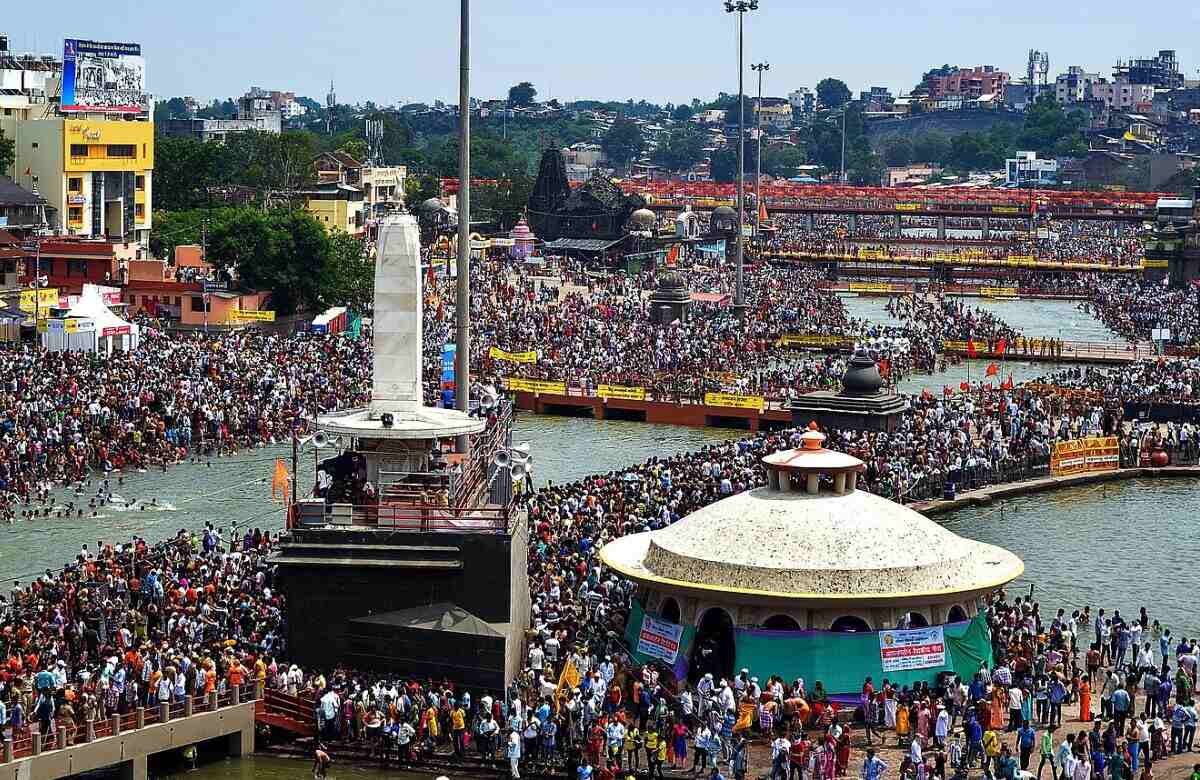
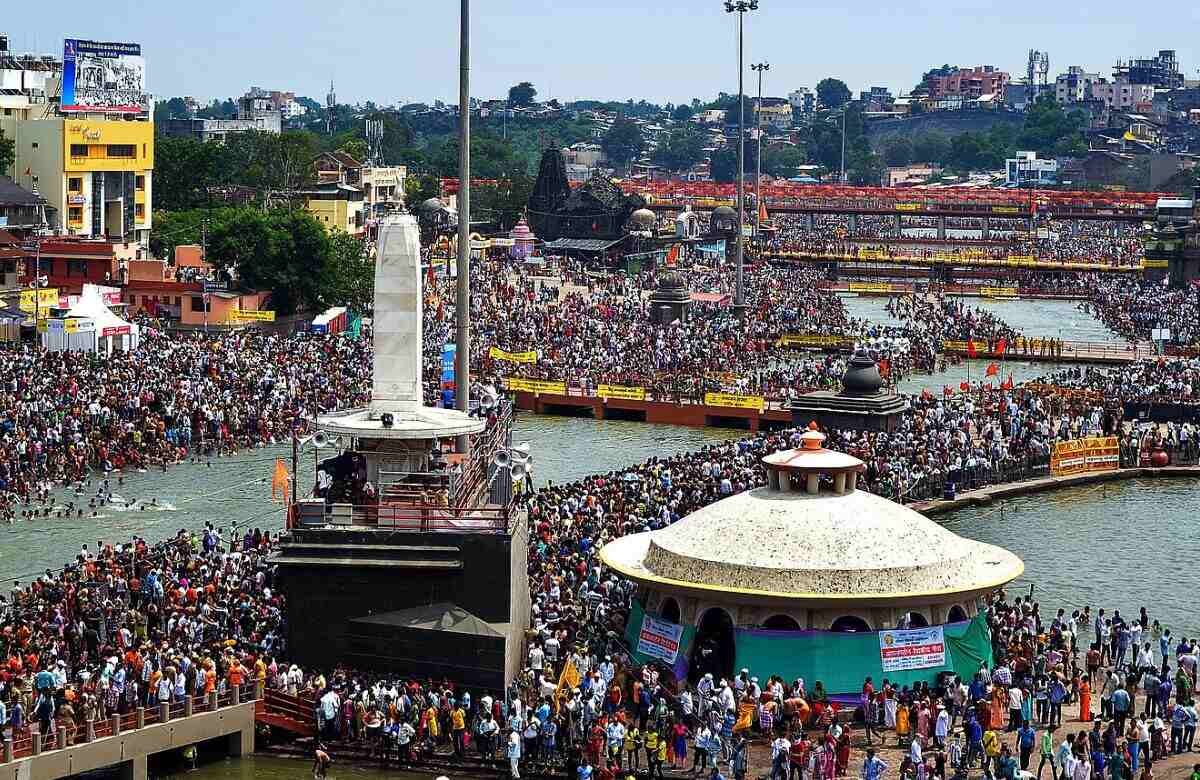
The Nashik Kumbh Mela 2027, also known as the Simhastha Kumbh Mela, is one of the most significant religious gatherings in the world. Every twelve years, millions of devotees, saints, ascetics, scholars, and spiritual seekers gather in the holy city of Nashik and nearby Trimbakeshwar to participate in this grand celebration of faith. The festival represents centuries of Hindu tradition and offers pilgrims a rare opportunity to experience spirituality, devotion, and cultural heritage on an extraordinary scale.
Unlike many religious festivals that last for only a few days, the Nashik Kumbh extends over several months. During this period, the city transforms into a vast spiritual center where ancient rituals, religious discourses, temple ceremonies, processions, and sacred bathing rituals continue day and night. Visitors witness not only the devotion of millions of pilgrims but also the living traditions of India's oldest monastic orders.
For first-time visitors, the experience can be overwhelming. The sheer size of the gathering, the diversity of traditions, and the vibrant atmosphere make the Kumbh Mela unlike any other pilgrimage in the world.
What is the Nashik Kumbh Mela?
Kumbh Mela is the largest recurring religious gathering on Earth and rotates among four sacred cities—Prayagraj, Haridwar, Ujjain, and Nashik. Each city hosts the festival according to specific astronomical alignments mentioned in Hindu scriptures.
The Nashik edition is known as Simhastha Kumbh because it is celebrated when Jupiter enters the zodiac sign Leo (Simha). According to Hindu beliefs, this celestial alignment creates an especially auspicious period for spiritual purification and religious observances.
During the festival, devotees take a holy dip in the Godavari River, perform prayers, visit ancient temples, donate to charitable causes, and seek blessings from saints and spiritual leaders. The pilgrimage is believed to help devotees cleanse themselves of accumulated sins and move closer to spiritual liberation.
Why Nashik is One of Hinduism's Holiest Cities
Nashik holds immense importance in Hindu tradition. It is closely associated with the Ramayana, where Lord Rama, Goddess Sita, and Lord Lakshmana are believed to have spent a significant part of their exile.
Several places connected with these events continue to attract pilgrims throughout the year. Panchavati, Sita Gufa, Ram Kund, Kapaleshwar Temple, Kalaram Temple, and numerous ancient shrines form the spiritual heart of the city.
Equally important is the nearby town of Trimbakeshwar, located about 30 kilometers from Nashik. It is home to one of the twelve sacred Jyotirlingas of Lord Shiva and remains one of the principal pilgrimage destinations in India.
Together, Nashik and Trimbakeshwar create one of the country's most revered spiritual regions.
The Mythological Story Behind Kumbh Mela
The origins of the Kumbh Mela are rooted in the ancient story of the Samudra Manthan, or the Churning of the Ocean.
According to Hindu mythology, the Devas and Asuras churned the cosmic ocean to obtain Amrit, the nectar of immortality. When the divine nectar emerged, a fierce struggle began over its possession. During this celestial conflict, Lord Vishnu carried the pot of nectar across the heavens.
It is believed that drops of Amrit fell at four sacred locations—Prayagraj, Haridwar, Ujjain, and Nashik. These places became the permanent hosts of the Kumbh Mela.
For devotees, the festival symbolizes the victory of righteousness over evil, knowledge over ignorance, and eternal spiritual awakening.
Nashik Kumbh Mela 2027 Dates
The Simhastha Kumbh Mela officially begins with ceremonial activities in late 2026, while the principal pilgrimage period and major bathing rituals will take place during 2027.
The most significant events are the Amrit Snan (Royal Bathing Days), when millions of pilgrims and members of various Akharas gather at the sacred ghats of Nashik and Trimbakeshwar. These dates witness the largest crowds and the most elaborate religious processions.
As with every Kumbh Mela, pilgrims should verify the official bathing schedule before planning their journey, as religious calendars are based on astronomical calculations.
The Sacred Significance of the Amrit Snan
The highlight of the Kumbh Mela is the Amrit Snan, traditionally known as the Shahi Snan.
Before sunrise, thousands of saints from different Akharas begin their ceremonial procession toward the river. Decorated elephants, horses, traditional drums, saffron flags, chanting devotees, and Naga Sadhus create an unforgettable spiritual spectacle.
Watching the procession itself is considered a once-in-a-lifetime experience.
For pilgrims, taking a holy dip in the Godavari during these auspicious moments is believed to purify the soul and bring immense spiritual merit.
Why Are Both Nashik and Trimbakeshwar Important?
Many first-time visitors assume the Kumbh is organized only in Nashik.
In reality, the festival is shared between Nashik City and Trimbakeshwar.
Ram Kund in Nashik serves as one of the primary bathing locations, while Kushavarta Kund in Trimbakeshwar is equally sacred. Both locations host important rituals according to long-established religious traditions.
Most pilgrims include visits to both destinations during their journey.
A Spiritual Journey Beyond the Holy Bath
Although the holy dip receives the greatest attention, the Kumbh Mela offers much more than river bathing.
Throughout the festival, visitors can attend religious discourses by respected saints, participate in Vedic chanting, observe yajnas, meditate near the riverbanks, interact with monks from different spiritual traditions, and explore ancient temples.
For many visitors, these experiences become even more meaningful than the ritual bath itself.
Listening to centuries-old philosophies directly from ascetics who have dedicated their lives to spiritual practice leaves a lasting impression on countless pilgrims.
Planning Your Pilgrimage
A successful pilgrimage requires careful preparation.
The largest crowds gather during the principal bathing days, making accommodation, transportation, and local travel significantly more challenging. Travelers who prefer a comfortable experience should arrive a few days before the main bathing date.
Comfortable walking shoes, light luggage, rain protection, drinking water, identity documents, prescribed medicines, and a basic first-aid kit are essential.
Since the major bathing period coincides with the monsoon season, visitors should also prepare for changing weather conditions.
Accommodation During the Festival
Accommodation ranges from traditional dharamshalas and government camps to hotels, premium resorts, and organized tent cities.
Families often prefer hotels with advance bookings, while many pilgrims choose spiritual camps operated by religious organizations.
Tour packages that include accommodation, meals, transportation, local assistance, and guided temple visits are particularly helpful for elderly travelers and first-time visitors.
Case Study: A Family Pilgrimage from Delhi
A family of six from Delhi decided to attend the Kumbh Mela with elderly parents.
Instead of arriving on the principal bathing day, they reached Nashik three days earlier. During this time, they visited Trimbakeshwar Temple, Panchavati, Ram Kund, and several nearby temples while the crowds remained manageable.
On the main bathing day, they already understood the transportation system, knew the walking routes, and avoided unnecessary confusion.
Their pilgrimage became peaceful, comfortable, and spiritually fulfilling rather than stressful.
Case Study: International Visitors Exploring Indian Spirituality
Every Kumbh Mela attracts researchers, photographers, yoga practitioners, and spiritual seekers from around the world.
One group of international visitors planned a two-week stay instead of a short visit. They attended religious lectures, observed rituals, documented traditional practices, interacted with monks, and explored the cultural history of Nashik.
Rather than viewing the Kumbh only as a festival, they experienced it as a living university of Indian philosophy, spirituality, and heritage.
Case Study: Elderly Pilgrims
An elderly couple in their seventies wanted to fulfill their lifelong wish of attending the Kumbh Mela.
Instead of attempting the pilgrimage independently, they joined a professionally organized tour that included hotel accommodation, meals, transportation, and local assistance.
With experienced coordinators handling logistics, they could focus entirely on prayer, temple visits, and participating in rituals without worrying about transportation or accommodation.
This demonstrates how organized pilgrimage packages can greatly improve the experience for senior citizens.
The Economic Impact of the Kumbh
The Kumbh Mela has a profound economic impact on the region.
Hotels operate at full capacity, restaurants serve millions of meals, taxi operators remain busy around the clock, local artisans find new customers, and thousands of temporary employment opportunities are created.
The government also invests heavily in roads, bridges, sanitation systems, drinking water facilities, crowd management technology, public transportation, and medical services. These improvements continue benefiting local residents long after the festival concludes.
Responsible Pilgrimage
The Kumbh Mela is not only about personal devotion but also about collective responsibility.
Pilgrims are encouraged to maintain cleanliness, avoid plastic waste, respect local customs, cooperate with security personnel, remain patient in crowded areas, and assist elderly devotees whenever possible.
Protecting the sanctity of the Godavari River and preserving the spiritual atmosphere are responsibilities shared by every visitor.
Frequently Asked Questions
When will Nashik Kumbh Mela 2027 be held?
The main pilgrimage activities and sacred bathing ceremonies will take place during 2027, while ceremonial events begin in late 2026 and continue into the broader Simhastha festival period.
Why is it called Simhastha Kumbh?
The festival is celebrated according to a special planetary alignment when Jupiter enters the zodiac sign Leo (Simha). This astronomical event gives the festival its name.
Where does the holy bathing take place?
The principal bathing ceremonies are conducted at Ram Kund in Nashik and Kushavarta Kund in Trimbakeshwar.
Is Trimbakeshwar part of the Kumbh Mela?
Yes. Trimbakeshwar is one of the two primary pilgrimage centers during the Nashik Simhastha Kumbh and is home to one of the twelve Jyotirlingas of Lord Shiva.
How many days should I plan for the pilgrimage?
A stay of three to five days is generally sufficient to visit both Nashik and Trimbakeshwar, participate in religious ceremonies, and explore the city's major temples.
Is the Kumbh Mela suitable for senior citizens?
Yes. Senior citizens can comfortably undertake the pilgrimage with proper planning, advance hotel reservations, and organized transportation. Choosing guided tour packages often makes the journey much easier.
What should I carry during the pilgrimage?
Comfortable clothing, walking shoes, rain gear, identity documents, personal medicines, drinking water, mobile chargers, and basic toiletries are recommended.
Can international tourists attend the Kumbh Mela?
Absolutely. Visitors from across the world attend the Kumbh to experience India's spiritual traditions, ancient rituals, architecture, yoga, and religious culture.
Conclusion
The Nashik Kumbh Mela 2027 is much more than a religious festival. It is a timeless celebration of faith, tradition, spirituality, and human unity. For millions of pilgrims, it represents an opportunity to renew their spiritual journey through sacred rituals, prayer, and self-reflection. For historians, photographers, and cultural travelers, it offers a rare glimpse into one of the world's oldest living traditions.
Whether you are visiting for religious reasons, cultural exploration, or personal transformation, the Nashik Simhastha Kumbh promises an experience unlike any other. The sound of temple bells at dawn, the sight of saints in vibrant processions, the sacred waters of the Godavari, and the devotion of millions together create an atmosphere that remains in the hearts of pilgrims long after they return home.