


- India Travelogue
- Chandan_singh
Every year, millions of devotees travel to Rameshwaram, but many arrive without knowing the darshan procedure, the 22 wells schedule, or the temple timings. First-time visitors often wonder where to begin, which rituals to follow, and whether they need to book darshan in advance.This guide covers Rameshwaram Temple history, the deity worshipped here, its architecture, the 22 sacred theerthams, darshan procedures, booking options, timings, and practical travel information.
Rameshwaram is one of India's most sacred pilgrimage destinations. It is traditionally recognised as one of the twelve Jyotirlingas and one of the four Char Dham destinations. Its religious significance is closely connected with the story of Lord Rama worshipping Lord Shiva before crossing to Lanka.
Rameshwaram Temple History: From Ramayana to the Present
Rameshwaram Temple's religious history is closely connected with the Ramayana. According to Hindu tradition, Lord Rama worshipped Lord Shiva at Rameshwaram after returning from Lanka following his victory over Ravana. One popular account says that Rama asked Hanuman to bring a Shivalinga from the Himalayas. When Hanuman was delayed, Goddess Sita fashioned a Shivalinga from sand. Lord Rama worshipped this lingam, and the tradition of the two lingams became an important part of the temple's religious history. The physical temple structure developed over many centuries. The Sethupathi rulers of Ramanathapuram were important patrons of its architecture, contributing to the development of its corridors, mandapams, and gopurams.
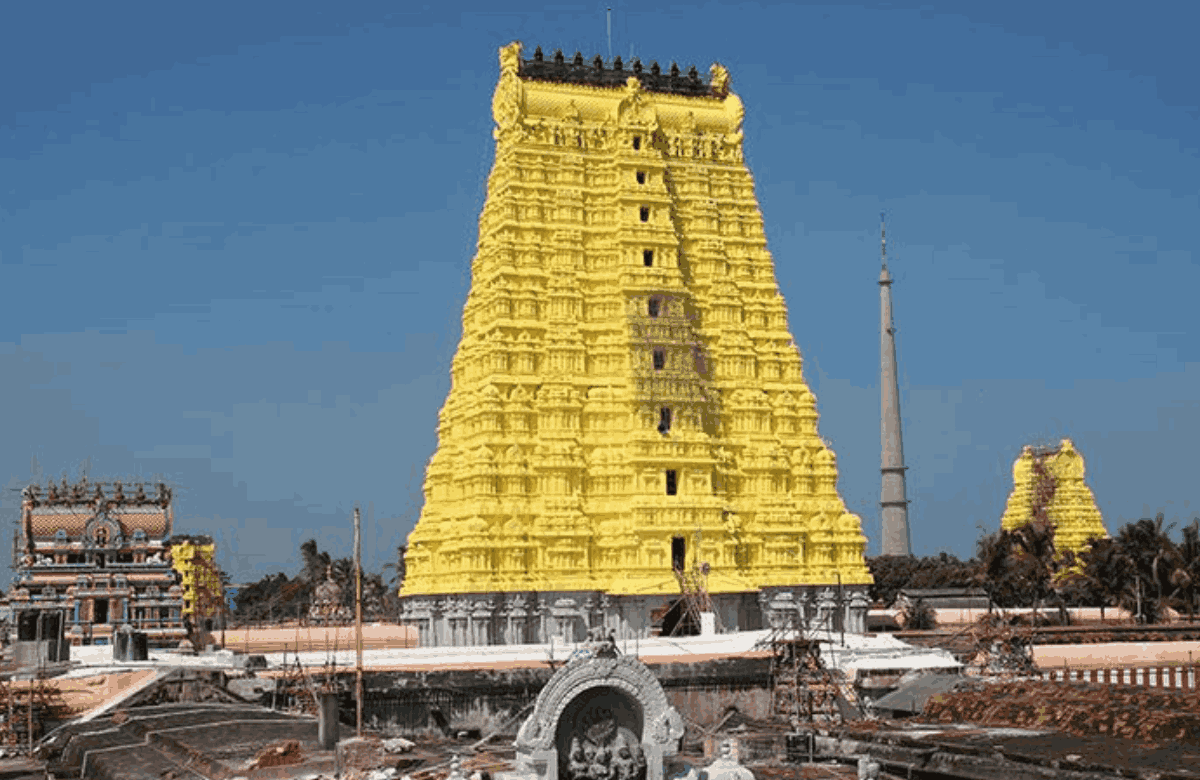
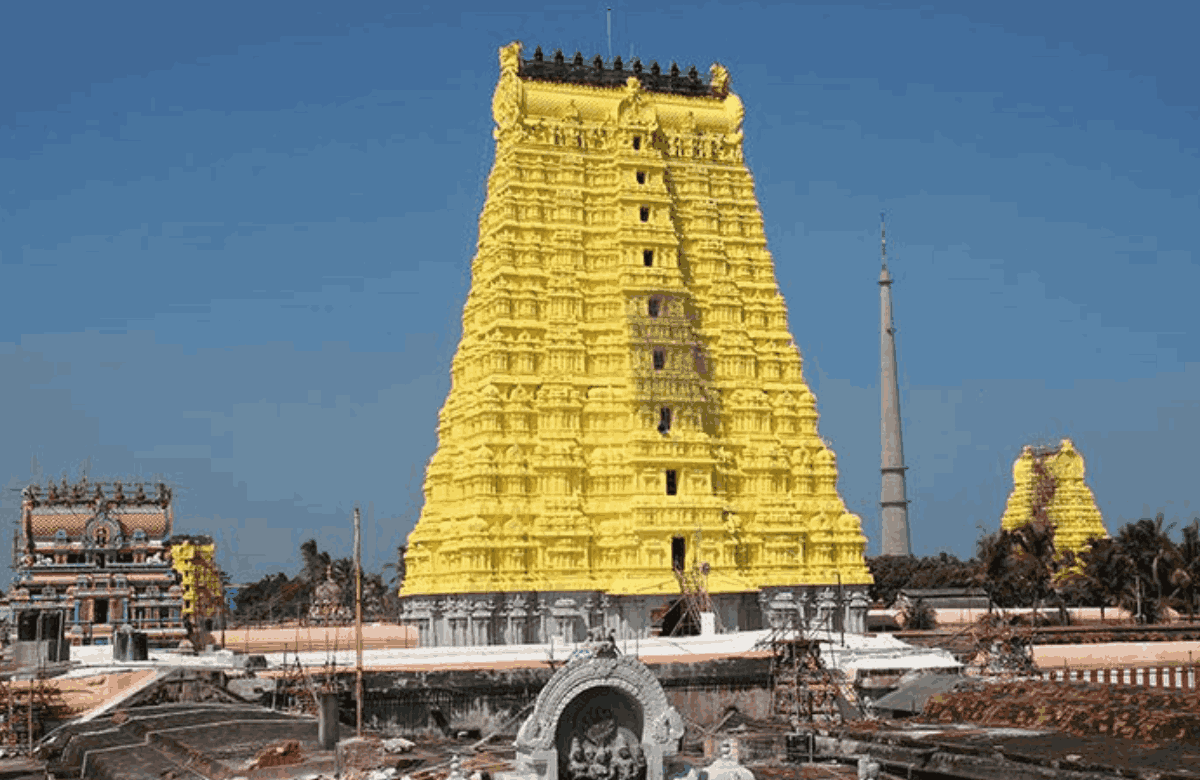
The temple is especially famous for its monumental gateways, intricately carved pillars, and long corridors. Its architecture reflects several periods of construction and renovation.
Rameshwaram Temple Built By: Key Patrons and Periods
No single ruler built the entire Rameshwaram Temple. Its present form developed through successive phases of construction and renovation.
Important historical associations include:
12th–13th centuries: Early temple construction is associated with the Pandya and Chola periods.
14th–16th centuries: Later patrons contributed to the temple's development and corridor architecture.
17th–18th centuries: Ramanathapuram Sethupathi rulers supported major additions, including mandapams and other architectural features.
19th century: Further development and completion of important structures took place.
Modern administration: The temple is administered under the relevant arrangements of the Tamil Nadu Hindu Religious and Charitable Endowments Department.
Editorial note: Verify specific construction dates and the attribution of individual architectural features with reliable historical sources before publishing.
Rameshwaram Temple God: Who Is Worshipped Here?
The principal deity of Rameshwaram Temple is Lord Shiva, worshipped as Ramanathaswamy. The name is traditionally associated with the Lord worshipped by Rama. Ramanathaswamy is revered as one of the twelve Jyotirlingas of Lord Shiva. A Jyotirlinga represents the divine manifestation of Shiva and holds special significance in Shaivite tradition.
The temple also contains shrines dedicated to other deities, including Goddess Parvathavardhini, a form of Goddess Parvati.
Ramanathaswamy and Vishwalingam
According to the traditional story, Goddess Sita fashioned one lingam from sand, while Hanuman brought another lingam from Kashi. The principal deity is Ramanathaswamy. The other lingam is commonly referred to as Vishwalingam. The traditional account associats the order of worship with Lord Rama's wish to honour Hanuman. Visitors should follow the current instructions provided by temple staff and priests regarding the worship sequence.
Goddess Parvathavardhini
Goddess Parvathavardhini is worshipped in a separate shrine within the temple complex. Devotees often visit this shrine as part of their pilgrimage. The complex also contains shrines associated with Nandi, Lord Ganesha, Subrahmanya, and other deities.
Why Rameshwaram Is a Jyotirlinga
The twelve Jyotirlingas are among the most revered pilgrimage destinations dedicated to Lord Shiva. According to Hindu tradition, Shiva manifested as an infinite column of light, symbolising his boundless divine nature. The twelve Jyotirlingas are associated with this tradition.Rameshwaram has a distinctive place in Hindu pilgrimage because it combines the Jyotirlinga tradition with the story of Lord Rama and its status as a Char Dham destination.
Rameshwaram Temple 22 Wells Timings and Bathing Ritual
The 22 sacred wells, known as theerthams, are one of the most distinctive features of the Rameshwaram pilgrimage. Bathing in the theerthams is an important religious practice for many devotees. The ritual is traditionally associated with spiritual purification before worshipping the principal deity. The water sources are located throughout the temple complex and have individual names and religious associations. Temple personnel may assist pilgrims with the bathing ritual according to the arrangements in operation.
The 22 Theerthams: Names and Significance
The uploaded article provides the following list of sacred water sources and their traditional associations.
Agni Theertham: The sacred sea near Rameshwaram Temple, traditionally visited before entering the temple.
Mahamaham Theertham: Associated with the religious significance of the Mahamaham festival.
Viradam Theertham: Described in the source as an internal theertham.
Gandhamathana Theertham: Associated with Gandhamathana hill and Hanuman.
Kaveri Theertham: Associated with the sacred Kaveri River.
Yamuna Theertham: Associated with the Yamuna River.
Ganga Theertham: Associated with the Ganga River.
Saraswati Theertham: Associated with Goddess Saraswati.
Chaturbuja Theertham: Associated with Lord Vishnu in his four-armed form.
Sethu Madhava Theertham: Associated with the sacred bridge, or Setu, to Lanka.
Gandha Theertham: Traditionally associated with fragrance.
Nala Theertham: Associated with Nala, who appears in the traditional account of the bridge to Lanka.
Sanku Theertham: Associated with the conch, or Shankha.
Brahma Theertham: Associated with Lord Brahma.
Surya Theertham: Associated with the Sun god.
Chandra Theertham: Associated with the Moon god.
Gaya Theertham: Associated with the sacred pilgrimage site of Gaya.
Shiva Theertham: Associated with Lord Shiva.
Saravana Theertham: Associated with Lord Murugan, also known as Subrahmanya.
Koti Theertham: Associated with the traditional belief in spiritual purification.
Sitakund Theertham: Associated with Goddess Sita.
Sudarshana Theertham: Associated with Lord Vishnu's Sudarshana Chakra.
Important: Verify this list and the exact names and sequence against an authoritative temple source before publication. The traditional list of 22 internal theerthams may differ from the list in the original draft. Agni Theertham is generally described separately as the sacred sea near the temple.
Rameshwaram Temple 22 Wells Timings
The original draft provides the following indicative schedule. Confirm the current timings with the temple administration before visiting.
| Activity | Timing stated in the source | Notes |
|---|---|---|
| Temple opening | 5:00 AM | Morning session begins |
| Preferred bathing period | 5:00 AM–9:00 AM | Suggested early visit |
| Morning session | 5:00 AM–1:00 PM | Confirm current availability |
| Afternoon closure | 1:00 PM–3:00 PM | Verify before travelling |
| Evening session | 3:00 PM–8:30 PM | Verify current arrangements |
| Temple closing | 9:00 PM | Confirm official closing time |
| Suggested early visit | 5:00 AM–7:00 AM | Crowd levels may vary |
The table reproduces the timings stated in the supplied article, not independently verified current temple hours.
What to Carry for the 22 Wells Ritual
If you plan to participate in the bathing ritual, consider carrying:
A change of clothes.
A small towel.
A bag for wet clothing.
Essential personal items.
Suitable footwear for walking outside the bathing areas.
Follow the instructions of temple personnel and use designated changing facilities where available.
Rameshwaram Temple Darshan Procedure: Step by Step
Planning your visit in advance can make the pilgrimage more comfortable, especially during weekends and festivals. The following sequence is based on the traditional procedure described in the original article. Confirm the current arrangements with temple authorities before your visit.
Step 1: Visit Agni Theertham
Many pilgrims begin their visit at Agni Theertham, the sacred coastal bathing area near the temple. If you intend to bathe, follow local safety instructions and any restrictions announced by the authorities.
Step 2: Change into Appropriate Clothing
After bathing, change into dry clothing before proceeding with the rest of your visit. Check the temple's current dress requirements, particularly if you intend to participate in a specific ritual or enter a restricted area.
Step 3: Arrange Puja Items, If Needed
Flowers, coconuts, and other offerings may be available from vendors near the temple. Check the temple's rules about permitted offerings before purchasing them.
Step 4: Complete the Theertham Bathing Ritual
If you wish to participate in the 22 theerthams ritual, follow the designated route and the instructions provided by temple personnel. Allow enough time for the ritual, particularly during busy periods.
Step 5: Visit Vishwalingam
The traditional account associates worship of Vishwalingam with honouring Hanuman's efforts to bring the lingam from Kashi.
Follow the current directions provided by temple staff regarding the order of worship.
Step 6: Have Darshan of Ramanathaswamy
Proceed to the designated darshan queue for the principal Ramanathaswamy deity. Waiting times may vary depending on the day, season, festival schedule, and the type of darshan available.
Step 7: Visit the Other Shrines
If time and access arrangements permit, visit Goddess Parvathavardhini's shrine and other accessible shrines within the complex.
Step 8: Participate in Additional Rituals, If Available
Certain rituals, including abhishek, may have separate schedules and booking requirements. Confirm availability and eligibility with the temple administration.
Step 9: Complete Your Visit
Allow extra time for queues, footwear collection, and transport. Follow temple rules and respect the customs observed by devotees.
Rameshwaram Temple Darshan Booking: Free and Special Options
Darshan arrangements can vary depending on the temple's current rules, festival schedules, and crowd-management measures. Before travelling, check the official temple website or contact the temple administration to confirm which options are available.
Free Darshan
General darshan is the standard worship arrangement for visitors. Waiting times depend on the number of devotees, the date, and the temple's arrangements. The original article estimates that general darshan may take around 1.5–3 hours on regular days, with longer waits during festivals and busy periods. These estimates should not be treated as guaranteed waiting times.
Special Darshan
Special darshan arrangements, when available, may provide a separate queue or a different entry process.
Before purchasing a ticket, confirm:
The current ticket price.
The date and time for which it is valid.
The designated entry point.
Whether advance booking is required.
Whether additional services are included.
Sevas Available for Booking
The original article mentions several religious services that visitors may wish to enquire about:
Abhishek Seva: A ritual offering associated with the worship of the deity.
Sahasranamarchana: A devotional recitation involving the names of the deity.
Homam: A fire ritual, subject to the temple's arrangements.
Annadanam: A religious food offering or meal service.
Availability, prices, eligibility, and schedules should be confirmed through official channels rather than assumed from older travel guides.
Official temple website: https://ramanathswamy.tnhrce.in/
Rameshwaram Temple Timings and Best Darshan Time
Knowing the temple's opening hours and ritual schedule is essential when planning your visit. The supplied article describes a morning session, a midday closure, and an evening session. The schedule below reflects the original draft and should be verified before publication.
Rameshwaram Temple Daily Schedule
| Activity | Time stated in the source | Description |
|---|---|---|
| Temple opening | 5:00 AM | Morning session |
| Thiruvanandal | 5:00 AM | First puja listed in the source |
| Kalasanthi Puja | 8:00 AM | Morning puja |
| Uchikalam Puja | 10:00 AM | Mid-morning puja |
| Kaala Sandhi Puja | 12:00 PM | Midday puja |
| Afternoon closure | 1:00 PM | Verify current schedule |
| Evening reopening | 3:00 PM | Evening session |
| Sayaratchai Puja | 6:00 PM | Evening puja |
| Irandaam Kaalam Puja | 7:00 PM | Evening ritual |
| Ardhajama Puja | 8:00 PM | Night ritual |
| Temple closing | 9:00 PM | Verify current closing time |
Best Rameshwaram Darshan Time
Early morning may be a convenient time to begin your pilgrimage. It can also allow you to plan the bathing ritual and temple visit before the day becomes busier. However, crowd levels depend on the date, season, festival calendar, and arrangements made by the temple administration.If you wish to attend a particular puja, plan your arrival around its officially confirmed schedule.
The original article also highlights the evening puja as an option for visitors interested in experiencing the temple's evening rituals. Confirm the timing and access arrangements before travelling.
When to Expect Larger Crowds
Crowds may increase during:
Mahashivratri.
Pradosham.
Tamil New Year.
Major temple festivals.
Weekends and public holidays.
Other auspicious dates in the Hindu calendar.
Book accommodation in advance if you plan to visit during a major festival.
Preparing transport, accommodation, and essential items in advance can make your pilgrimage more comfortable.
Practical Information for Visiting Rameshwaram Temple
How to Reach Rameshwaram
By train: Rameshwaram has a railway station connected to services from various destinations. Check current train schedules and availability before booking.
By road: Buses, taxis, and private vehicles connect Rameshwaram with other destinations in Tamil Nadu. Travel time depends on your starting point and road conditions.
By air: Madurai Airport is a commonly used airport for travellers visiting Rameshwaram. Visitors can continue their journey by road. Confirm current transport options before finalising your itinerary.
Where to Stay in Rameshwaram
Accommodation options may include:
Temple guesthouses: Availability and booking conditions vary.
Budget lodges: Options may be available near the temple and local market areas.
Mid-range hotels: Compare location, facilities, and recent guest reviews.
Family accommodation: Choose accommodation based on your group size and accessibility needs.
During busy pilgrimage periods, booking accommodation in advance is advisable.
What to Know Before You Go
Dress code: Check the latest temple requirements before your visit.
Mobile phones and cameras: Confirm the rules for electronic devices and photography.
Footwear: Follow designated footwear-removal and storage arrangements.
Bathing ritual: Carry a change of clothes if you intend to participate.
Personal belongings: Carry only essential items and follow security instructions.
Crowds: Allow additional time during weekends and festivals.
Accessibility: Contact the temple administration in advance if you require mobility assistance.
Official information: Verify timings, prices, and ritual availability before departure.
Best Season to Visit Rameshwaram
The original article recommends October to March as a generally comfortable period for travel. Weather conditions can vary, so check the forecast before departure. If you plan to visit during a festival, consider the possibility of increased crowds and limited accommodation.
Conclusion
Rameshwaram Temple is an important destination for devotees of Lord Shiva and travellers interested in India's religious heritage. Its association with the Ramayana, the Ramanathaswamy Jyotirlinga, the sacred theerthams, and its distinctive architecture makes it a memorable pilgrimage destination. Before travelling, check the current temple timings, bathing arrangements, darshan options, and entry rules. Plan enough time for worship, allow for queues, and respect the customs observed within the temple complex. With thoughtful preparation, your visit to Rameshwaram can become a meaningful part of your spiritual journey.