

- Kumbh Mela Blogs
- Devesh Tiwari
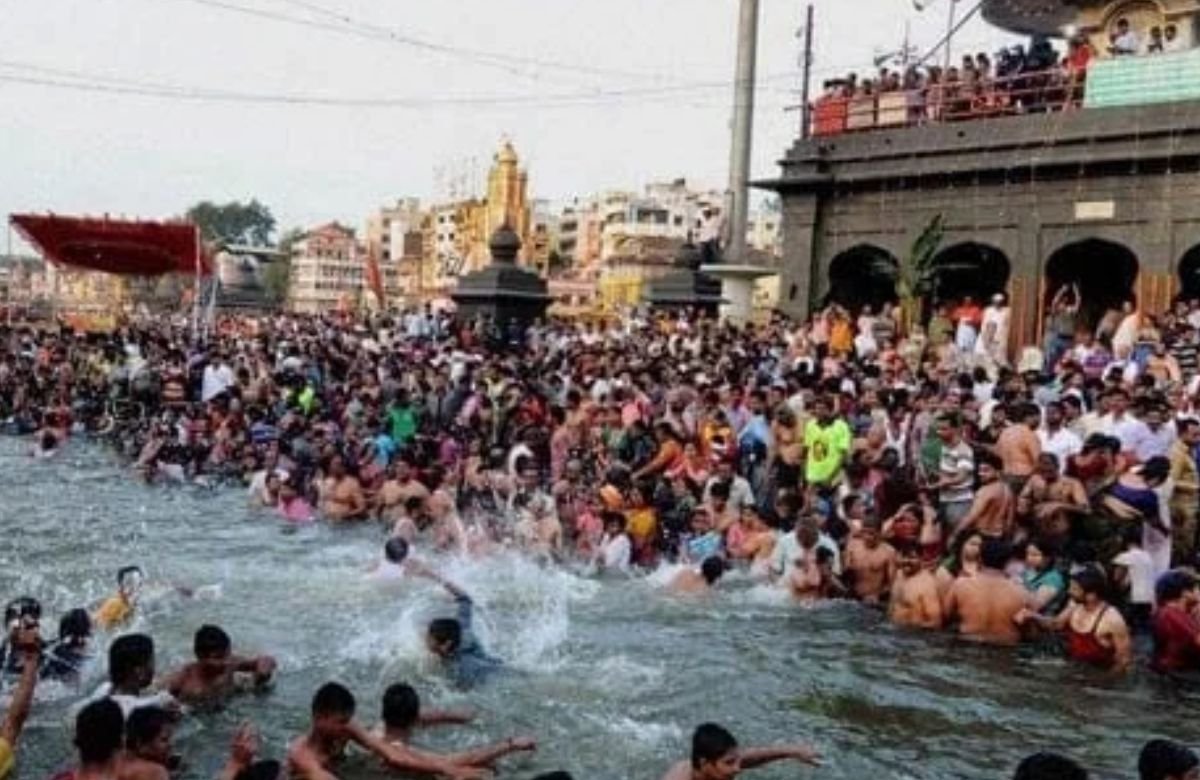
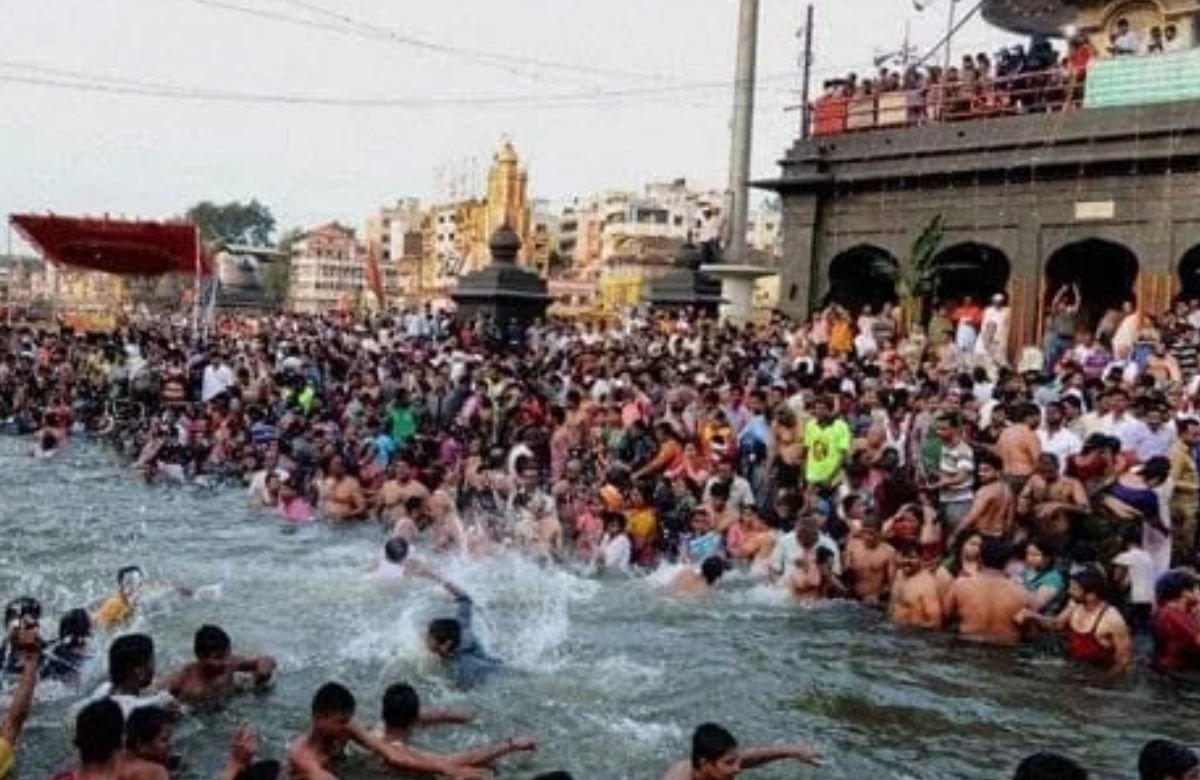
The Nashik Kumbh Mela, also known as the Nashik–Trimbakeshwar Simhastha Kumbh Mela, is one of India's most significant Hindu pilgrimage gatherings. Held in Maharashtra, this sacred event brings together saints, sadhus, spiritual seekers and millions of devotees who gather to take a holy dip in the sacred waters of the Godavari River.
For pilgrims planning their visit, knowing the Nashik Kumbh Mela bathing dates is essential. The main bathing ceremonies, traditionally known as Shahi Snan and increasingly referred to as Amrit Snan, attract particularly large crowds and hold immense religious significance.
The 2027 Simhastha Kumbh Mela period is expected to begin with the Dhwajarohan ceremony on 31 October 2026, while the principal bathing dates fall in August and September 2027. The published schedule is currently interim and subject to official confirmation or revision.
Nashik Kumbh Mela Bathing Dates 2027
The following dates are listed in the published interim schedule for the 2027 Simhastha Kumbh Mela.
| Date | Day | Event | Location |
|---|---|---|---|
| 2 August 2027 | Monday | First Amrit Snan | Nashik and Trimbakeshwar |
| 31 August 2027 | Tuesday | Second Amrit Snan | Nashik and Trimbakeshwar |
| 11 September 2027 | Saturday | Third Amrit Snan | Ramkund, Nashik |
| 12 September 2027 | Sunday | Third Amrit Snan | Kushavarta Kund, Trimbakeshwar |
These dates reflect the published interim schedule. Pilgrims should verify the final bathing dates, procession timings and public bathing arrangements before travelling.
When Does Nashik Kumbh Mela 2027 Begin and End?
The Simhastha Kumbh Mela is a prolonged religious observance rather than a one-day festival. The published plan identifies 31 October 2026 as the opening Dhwajarohan ceremony and lists separate closing ceremonies for Trimbakeshwar and Nashik in July 2028.
The principal Amrit Snan dates occur during August and September 2027.
| Event | Date |
|---|---|
| Dhwajarohan — opening ceremony | 31 October 2026 |
| First Amrit Snan | 2 August 2027 |
| Second Amrit Snan | 31 August 2027 |
| Third Amrit Snan at Nashik | 11 September 2027 |
| Third Amrit Snan at Trimbakeshwar | 12 September 2027 |
| Scheduled closing at Trimbakeshwar | 24 July 2028 |
| Scheduled closing at Nashik | 29 July 2028 |
These dates are based on the currently published interim schedule. Pilgrims should check for official notifications before making final travel arrangements.
What Is the Significance of Amrit Snan at Nashik Kumbh Mela?
Amrit Snan is among the most important religious observances of the Kumbh Mela. The word Amrit means nectar, while Snan means bathing. For Hindu devotees, taking a holy dip during an auspicious Kumbh bathing period is associated with spiritual purification, devotion and the pursuit of liberation.
The bathing ceremonies are also important for the different akharas, or traditional orders of Hindu ascetics. Their ceremonial processions and ritual bathing form a central part of the Kumbh's religious identity.
Pilgrims visit Nashik to pray, participate in spiritual gatherings, seek blessings from saints and experience traditions that have been passed down through generations.
The Kumbh Mela is also an opportunity for devotees to deepen their spiritual connection, learn from religious teachers and experience the collective devotion of one of India's largest religious gatherings.
Where Does the Holy Bath Take Place?
The Nashik–Trimbakeshwar Simhastha Kumbh Mela is distinctive because its major bathing rituals are associated with two pilgrimage towns.
1. Ramkund, Nashik
Ramkund is a sacred bathing site on the Godavari River in Nashik's Panchavati area. It is a major centre for ritual bathing, prayers and ancestral rites. Devotees visit throughout the year, but the site becomes especially significant during the Kumbh Mela.
The scheduled third Amrit Snan for Nashik falls on 11 September 2027.
2. Kushavarta Kund, Trimbakeshwar
Located near the famous Trimbakeshwar Shiva Temple, Kushavarta Kund is another important sacred bathing site associated with the Godavari tradition.
Trimbakeshwar holds special significance for devotees of Lord Shiva and is one of the most important pilgrimage destinations in Maharashtra. During the Kumbh Mela, the town attracts saints, ascetics and pilgrims seeking spiritual blessings.
The scheduled third Amrit Snan for Trimbakeshwar falls on 12 September 2027.
The two towns have distinct roles in the Kumbh bathing rituals. According to the published schedule, the principal Amrit Snan dates in August are shared by both towns, while the final observance is scheduled on separate days.
Important Places to Visit During Nashik Kumbh Mela
Pilgrims who have extra time can explore Nashik's spiritual heritage alongside their Kumbh visit.
Trimbakeshwar Shiva Temple
Trimbakeshwar Shiva Temple is one of the twelve Jyotirlingas of Lord Shiva and a major destination for devotees visiting the region. The temple's religious significance makes it an important stop for pilgrims attending the Simhastha Kumbh Mela.
Visitors should check current darshan timings, temple regulations and crowd-management arrangements before planning their visit.
Panchavati
Panchavati is a sacred area associated with the Ramayana tradition. It is home to several temples and religious landmarks and attracts devotees throughout the year.
The area offers pilgrims an opportunity to explore Nashik's spiritual heritage while participating in the Kumbh festivities.
Sita Gufa
Sita Gufa is a small cave shrine traditionally associated with Sita and the Ramayana. It is a popular stop for devotees exploring Panchavati and other religious sites in Nashik.
Godavari River Ghats
The ghats along the Godavari River are central to Nashik's religious identity. Pilgrims visit these areas for prayers, ritual bathing and spiritual reflection.
During the Kumbh Mela, access to individual ghats may be regulated to manage crowds and maintain public safety. Visitors should follow instructions from the local authorities.
How to Plan Your Nashik Kumbh Mela Trip
1. Book Accommodation Early
Hotels, guesthouses and other accommodation near Ramkund, Panchavati and Trimbakeshwar may experience heavy demand during the major bathing dates.
Booking in advance can help pilgrims secure suitable accommodation and reduce last-minute difficulties. Before confirming a hotel, check its distance from the designated bathing area and the availability of transport during peak pilgrimage days.
2. Choose Your Bathing Date Carefully
If your primary purpose is to participate in an Amrit Snan, plan your journey around one of the four scheduled dates.
Arriving one or two days earlier can provide a useful buffer for travel delays, accommodation arrangements and changing traffic restrictions. Pilgrims planning to visit both Nashik and Trimbakeshwar should allow sufficient time for local travel.
3. Check Official Bathing Timings
The exact bathing hours and akhara procession timings should be confirmed through official notifications closer to the event.
Do not assume that bathing will be permitted at every ghat throughout the day. Temporary restrictions may be introduced during ceremonial processions or periods of heavy crowding.
4. Prepare for Large Crowds
Carry identification, essential medicines and comfortable walking footwear. Keep your family members together and agree on a meeting point in case you become separated.
Senior citizens, families travelling with children and people with mobility limitations should consider their accommodation location and access to designated bathing areas before finalising their plans.
5. Follow Local Safety Instructions
Temporary traffic diversions, restricted vehicle access, pedestrian routes and bathing controls may be introduced on major Snan days.
Follow instructions from the police, volunteers and event authorities. Avoid entering restricted sections of the river or attempting to bathe when water conditions are unsafe.
6. Keep Extra Travel Time
The movement of pilgrims can significantly affect local traffic during major bathing ceremonies. Plan additional time for transfers between accommodation, bathing ghats and temples.
If travelling in a group, establish a meeting point and share the day's itinerary with all participants in advance.
Frequently Asked Questions About Nashik Kumbh Mela Bathing Dates
1. What are the Nashik Kumbh Mela bathing dates in 2027?
The currently published interim schedule lists 2 August, 31 August, 11 September and 12 September 2027 as the principal Amrit Snan dates. The first two dates apply to Nashik and Trimbakeshwar, while the final observance is scheduled for 11 September at Nashik and 12 September at Trimbakeshwar.
2. When is the first Amrit Snan of Nashik Kumbh Mela 2027?
The first Amrit Snan is scheduled for 2 August 2027, at Nashik and Trimbakeshwar, subject to confirmation through official notifications.
3. When is the second Amrit Snan?
The second Amrit Snan is scheduled for 31 August 2027, at both pilgrimage towns.
4. When is the last Amrit Snan at Nashik?
The third Amrit Snan is scheduled for 11 September 2027 at Ramkund, Nashik.
5. When is the last Amrit Snan at Trimbakeshwar?
The third Amrit Snan is scheduled for 12 September 2027 at Kushavarta Kund, Trimbakeshwar.
6. When does Nashik Kumbh Mela begin?
The published interim schedule identifies 31 October 2026 as the date of the opening Dhwajarohan ceremony.
7. Can devotees take a holy dip on dates other than Amrit Snan?
Yes. Subject to local rules and bathing access, devotees can take part in ritual bathing on other days during the Kumbh period. However, access may be restricted during special ceremonies or for crowd management.
8. Are the Nashik Kumbh Mela 2027 bathing dates officially confirmed?
The dates appear in the published interim schedule, but the schedule is subject to formal notification and possible revision. Pilgrims should verify the latest arrangements before booking non-refundable travel.
9. Which is the main bathing place for Nashik Kumbh Mela?
Ramkund on the Godavari River is the principal bathing location in Nashik. At Trimbakeshwar, the corresponding sacred bathing site is Kushavarta Kund.
10. How early should I arrive for the Kumbh Mela?
For a major Amrit Snan, arriving one or two days in advance is a practical option, provided you have confirmed accommodation and checked local transport restrictions. Allow additional time if travelling with senior citizens or a large family group.
11. Is Nashik Kumbh Mela suitable for a family pilgrimage?
Yes. Families can plan a pilgrimage around the bathing ceremonies, temples and religious gatherings. However, because major bathing days can attract very large crowds, families should plan accommodation and transportation carefully, supervise children closely and consider the physical requirements of the visit.
12. How many days are required to visit Nashik Kumbh Mela?
A two- to four-day trip may be suitable for many pilgrims, depending on whether they wish to attend a major bathing ceremony, visit Trimbakeshwar and explore other religious sites in Nashik. Travellers planning to attend the main Amrit Snan should allow additional time for crowd-related delays.
Conclusion
The Nashik Kumbh Mela 2027 offers devotees an opportunity to experience one of India's most significant spiritual gatherings. The principal bathing dates are currently scheduled for 2 August, 31 August, 11 September and 12 September 2027, with the final observance divided between Nashik and Trimbakeshwar.
By planning accommodation, transport and temple visits in advance, pilgrims can prepare for a more comfortable and meaningful journey. Above all, verify the latest official bathing schedule, follow safety instructions and respect the religious traditions of both pilgrimage towns.