

- India Travelogue
- @Nagarjuna_Travels
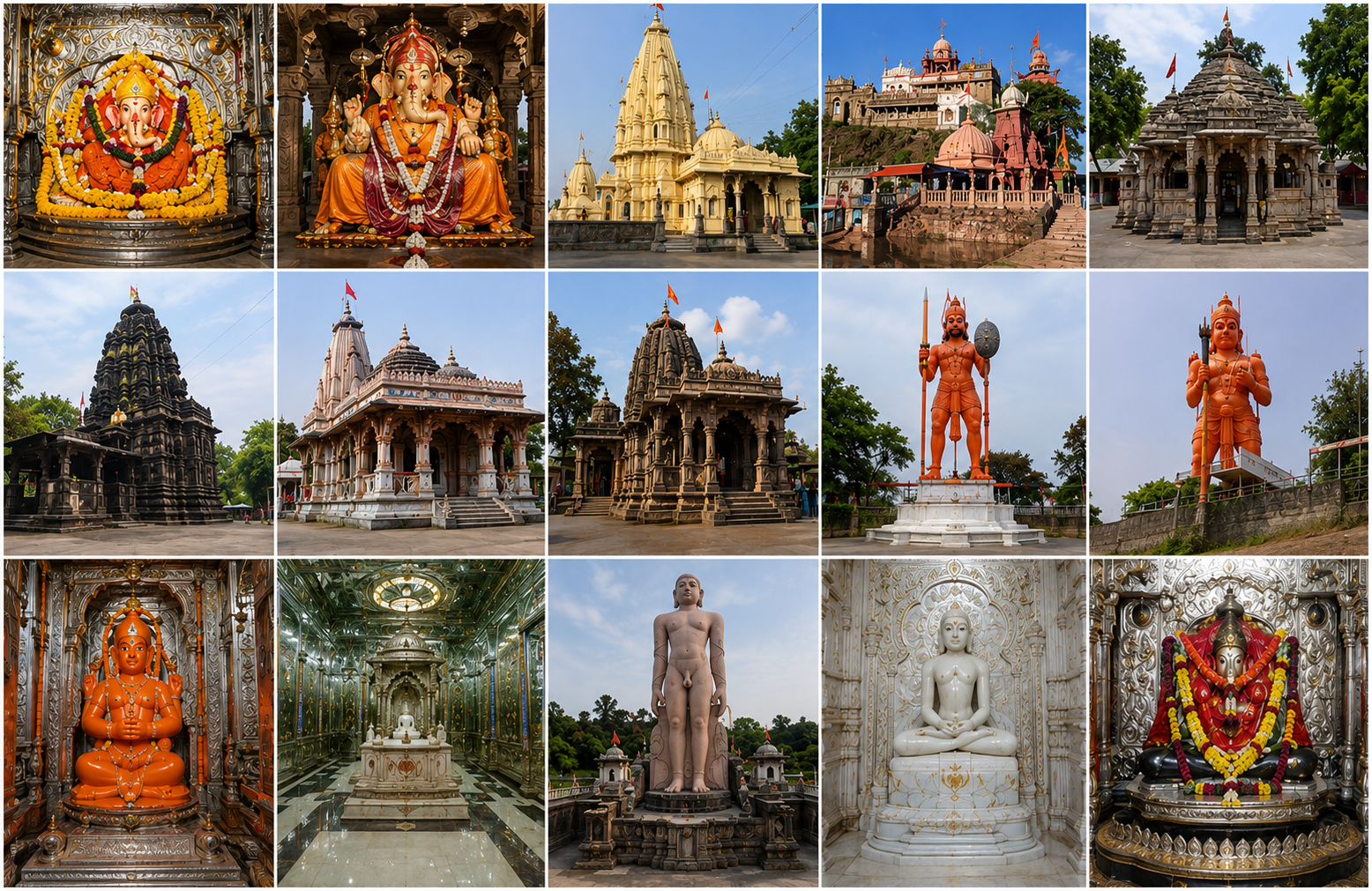
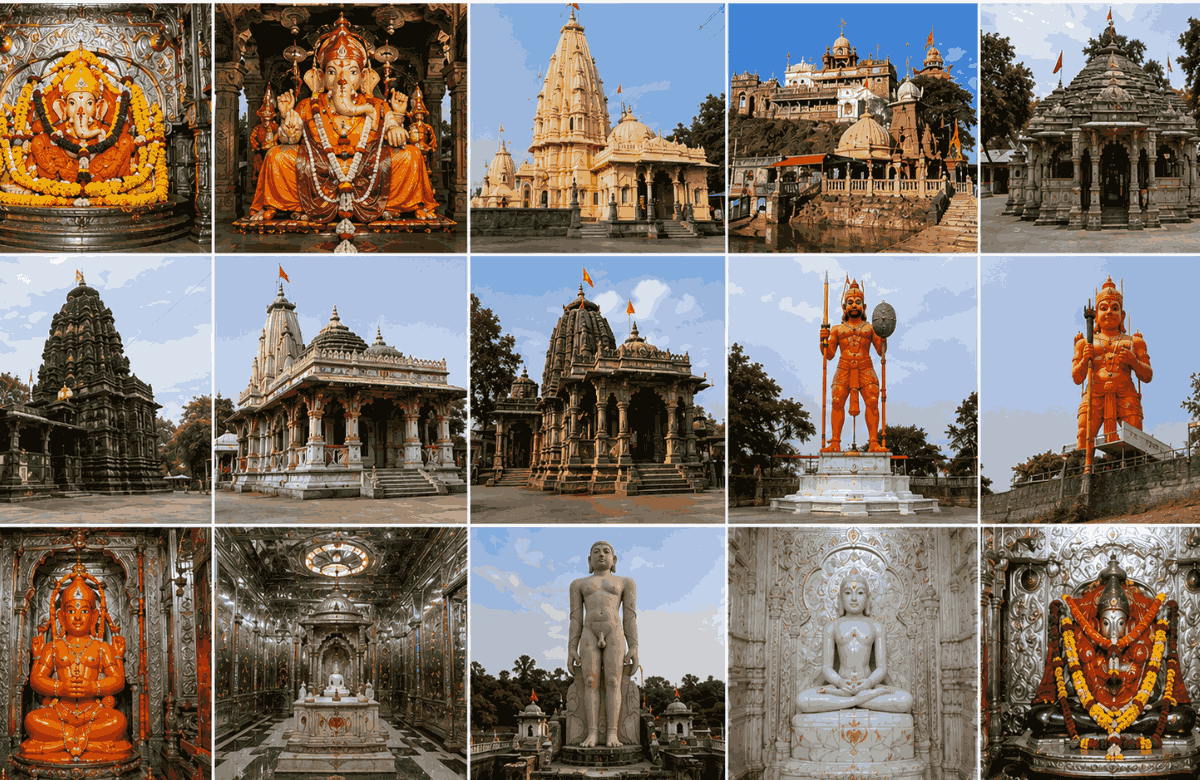
Most visitors to Indore come for the food - and rightly so. But they leave without realising that Indore is equally extraordinary as a city of temples. This guide covers the 15 most famous temples in Indore - sorted by tradition so you can plan your darshan route efficiently - with the specific details that actually matter: what makes each temple worth your time, when to visit, and what most travel guides fail to mention.
All 15 Famous Temples in Indore at a Glance
| Temple | Deity | Timings | Famous For |
| Khajrana Ganesh Temple | Ganesha | 5 AM - 10 PM | Wish-fulfilling Ganesha; Holkar legacy |
| Bada Ganpati Temple | Ganesha | 5 AM - 9 PM | One of world's largest Ganesha idols |
| Annapurna Temple | Annapurna Devi | 6 AM - 8 PM | Aryan-Dravidian blend; 100+ ft spire |
| Bijasan Mata Temple | Bijasan Mata | 6 AM - 9 PM | Hilltop; built 1760; Navratri festival |
| Indreshwar Mahadev | Shiva | 6 AM - 8 PM | 4,000+ years old; gave Indore its name |
| Bhuteshwar Mahadev | Shiva | 6 AM - 8 PM | 300 years old; near cremation ground |
| Devguradia Temple | Shiva | 5 AM - 9 PM | Mahashivratri mega-event |
| Gadeshwar Mahadev | Shiva | 6 AM - 8 PM | Historical Holkar-era temple |
| Ranjeet Hanuman Temple | Hanuman | 5:30 AM - 9:30 PM | Only temple with Hanuman holding shield + sword |
| Pitra Parvat Temple | Hanuman | 6 AM - 8 PM | World's largest Ashtadhatu idol; 72 ft |
| Pitreshwar Hanuman | Hanuman | 6 AM - 8 PM | Ancestral rites; pitr moksha puja |
| Kanch Mandir (Jain) | Jain Tirthankaras | 10 AM - 5 PM | Glass temple; Belgian mirrors; 1903 |
| Gomatgiri (Jain) | Bahubali / Jain | 6 AM - 8 PM | Hilltop; 20 ft Bahubali statue |
| Shree Neminath Jain | Neminath / Jain | 6 AM - 7 PM | Peaceful; exquisite marble sculpture |
| Chintaman Ganesh | Ganesha | 6 AM - 8 PM | Self-manifested idol; ancient |
Famous Ganesha Temples in Indore
1. Khajrana Ganesh Temple - The Most Famous Mandir in Indore
There is no debate about which is the most famous mandir in Indore - it is Khajrana Ganesh Temple. It was established in 1875 by Queen Ahilyabai Holkar, and its history dates back to 1735 when the statues were submerged to protect them from Aurangzeb's forces. Today, this government-managed temple remains a symbol of unwavering faith.
- Best time to visit: Ganesh Chaturthi or early weekday mornings
- Location: Ganeshpuri Road, Khajrana, Indore
- Timings: 5 AM to 10 PM daily
2. Bada Ganpati Temple - One of the World's Largest Ganesha Idols
Bada Ganpati is built around one of the largest Ganesha idols in India. The idol's sheer scale is startling - it fills nearly the entire sanctum. Despite its scale, the atmosphere is intimate and deeply devotional.
- Location: Bada Ganpati Chowk, Near Rajwada, Indore
- Timings: 5 AM to 9 PM
- Best day: Wednesday - Ganesha's day
3. Chintaman Ganesh Temple - The Self-Manifested Idol
Chintaman Ganesh is one of Indore's oldest temples. The Ganesha idol here is considered Swayambhu - self-manifested, not carved by human hands. 'Chintaman' itself means 'one who removes anxieties.'
- Location: Chintaman Ganesh Road, Indore
- Timings: 6 AM to 8 PM

Famous Shiva Temples in Indore
4. Indreshwar Mahadev Temple - The Temple That Named the City
One of the oldest and most revered Shiva temples in Indore, with a history dating back over 4,000 years. Indore itself was originally called 'Indrapure' - named after this very temple.
- Location: Pandrinath Path, Ranipura, Indore
- Timings: 6 AM to 8 PM
- Special occasion: Maha Shivaratri
5. Bhuteshwar Mahadev Temple - Ancient and Atmospheric
Dating back nearly 300 years, this temple stands as a testament to devotion. According to folklore, Mata Ahilya Bai acquired the revered Bhuteshwar Shivalinga through rigorous penance near the Narmada River.
- Location: Near cremation ground, Central Indore
- Timings: 6 AM to 8 PM
6. Devguradia Shiva Temple - Festival Epicentre
Devguradia is one of the most active Shiva temples and the go-to destination for Maha Shivaratri celebrations. Set near the banks of the Narmada, the temple's natural setting adds to its power.
- Location: Devguradia, near Narmada River, Indore
- Timings: 5 AM to 9 PM
- Best occasion: Maha Shivaratri
7. Gadeshwar Mahadev Temple - The Holkar Legacy
Gadeshwar Mahadev is a quieter, lesser-visited famous Shiva temple but revered by locals for its antiquity and the power of its Shivalinga, which traces its history to the Holkar period.
- Location: Gadeshwar area, Indore
- Timings: 6 AM to 8 PM
8. Annapurna Temple - Architecture and the Goddess of Nourishment
Annapurna Temple is dedicated to the goddess of nourishment and showcases a beautiful blend of Aryan and Dravidian architecture, with a height exceeding 100 feet.
- Location: Annapurna Road, Indore
- Timings: 6 AM to 8 PM
- Best for: Families; multiple deities in one complex

Famous Hanuman Temples in Indore
9. Ranjeet Hanuman Temple - The Only Sword-and-Shield Hanuman
What sets this temple apart is the idol of Hanuman, wielding a shield and a sword, symbolising triumph. It stands as the only temple globally where Hanuman is depicted holding a shield and sword.
- Location: Gumasta Nagar, Scheme 71, Indore
- Timings: 5:30 AM to 9:30 PM
- Best day: Tuesday - very large crowds
- Unique: Only Hanuman temple with shield and sword
10. Pitra Parvat Temple - World's Largest Ashtadhatu Hanuman
The statue of Hanuman in Pitra Parvat Temple is an impressive 72 feet tall and weighs 108 tons, making it the largest Ashtadhatu (eight sacred metals) statue in the world.
- Location: Pitra Parvat area, Indore
- Timings: 6 AM to 8 PM
- Unique: Largest Ashtadhatu statue in the world
- Hilltop location with panoramic views
11. Pitreshwar Hanuman Temple - Where Ancestors Receive Peace
The Pitreshwar Hanuman Temple holds spiritual importance for rituals related to ancestors. People believe that praying here helps bring peace to departed souls.
- Location: Pitreshwar area, Indore
- Timings: 6 AM to 8 PM
- Best occasion: Pitru Paksha; Amavasya
Famous Mata Temples in Indore
12. Bijasan Mata Temple - Hilltop Goddess with Panoramic Views
Bijasan Mata Temple was built in 1760 by Maharaja Shivajirao Holkar. Dedicated to the goddess Bijasan Mata, the temple houses nine forms of the goddess and offers stunning views from its hilltop location.
- Location: Bijasan Hill, Bypass Road, Indore
- Timings: 6 AM to 9 PM
- Best occasion: Navratri - one of Indore's most celebrated festivals
- Hilltop location offers panoramic views of Indore

Famous Jain Temples in Indore
13. Kanch Mandir - The Glass Temple
Kanch Mandir is simply unlike anything else in India. Built by Sir Seth Hukumchand starting in 1903, every wall, ceiling, and pillar is decorated with dazzling glass and mirror work. The glass was brought from Belgium and carvings were done by artists from Iran and Jaipur.
- Location: Itwaria Bazaar (Bara Sarafa area), near Rajwada
- Timings: 10 AM to 5 PM
- Note: Photography restrictions may apply inside
- Best for: Architecture enthusiasts and photographers
- Festival: Mahavir Jayanti and Paryushana
14. Gomatgiri - The Hilltop Jain Sanctuary
Gomatgiri is Indore's premier Jain hilltop temple complex, inspired by the famous Gommateshwara at Shravanabelagola. A 20-foot Bahubali statue anchors the site, surrounded by 24 smaller marble temples.
- Location: AB Road, Bypass Road, Indore
- Timings: 6 AM to 8 PM
- Best time: Early morning for quiet meditation; sunset for views
15. Shree Neminath Digambar Jain Temple - Marble Serenity
The Neminath Jain Temple provides a counterpoint to Kanch Mandir - its marble carvings are intricate and delicate, and the temple's atmosphere is one of deep, unhurried stillness.
- Location: Central Indore area
- Timings: 6 AM to 7 PM

Practical Tips for Visiting Temples in Indore
- Dress modestly - shoulders and knees covered - at all temples
- Remove footwear before entering all temples
- Early morning visits (6-8 AM on weekdays) give the most peaceful darshan
- Tuesday is Hanuman's day - Ranjeet Hanuman and Pitra Parvat see heavy crowds
- Wednesday and Friday are most auspicious for Ganesha - Khajrana sees peak crowds
- Kanch Mandir (Jain) requires dress code aligned with Jain traditions - avoid leather items
- Photography rules vary - ask at entrance
- Festival timing: Navratri (Bijasan Mata), Ganesh Chaturthi (Khajrana), Maha Shivaratri (Devguradia), Hanuman Jayanti (Ranjeet, Pitra Parvat)
Conclusion
Indore's temples cover every tradition of Indian faith with unusual depth - a 4,000-year-old Shiva temple that named the city, a Ganesha shrine protected from Mughal forces and rebuilt by a queen, the world's only sword-wielding Hanuman, the world's largest Ashtadhatu idol, and a Jain glass temple that imported its mirrors from Belgium. This is not a city with one or two famous mandirs. It is a city where every major tradition of Indian spirituality has its landmark. Whether you have an afternoon or a full day, the temples of Indore will return you to something genuine and deeply rooted. Start at Khajrana Ganesh. End at Kanch Mandir. Everything in between will surprise you.