

- Mount Kailash Blogs
- @Nagarjuna_Travels
Most pilgrims planning the Kailash Mansarovar Yatra make the same mistake with the weather: they look at average temperatures, see numbers like 10°C to 14°C in summer, and assume the journey will be cold but manageable. Then they arrive at Dolma La Pass at 5,630 metres before sunrise and discover that the wind chill at 4 AM in July can feel like minus 15°C — and they have brought a fleece jacket. The kailash mansarovar temperature is not one number. It is a range — from the relatively tolerable daytime warmth at Mansarovar Lake to the brutal cold at the highest pass on the parikrama, experienced in the dark, at altitude, when your body is already pushed to its limit. This guide gives you the honest, complete picture: month-by-month temperatures, location-by-location breakdowns, what to wear, and exactly when to go in 2027 for the safest and most fulfilling experience.
Understanding Kailash Mansarovar Temperature: Why It Is Unlike Any Other Trek
The kailash mansarovar temperature is shaped by three forces that combine in ways most travellers have not encountered before: extreme altitude, the Tibetan plateau's continental climate, and the dramatic daily swing between sun and shade at this latitude.
The Three Forces That Shape the Weather
- Extreme altitude: The entire Kailash Mansarovar Yatra takes place above 4,500 metres. At this altitude, the atmosphere is significantly thinner — less air means less heat retention, so temperatures drop sharply the moment the sun sets or goes behind a cloud. The wind chill effect at altitude is also far more dramatic than at sea level
- Continental plateau climate: The Tibetan plateau is one of the driest regions on earth. Unlike coastal or lowland climates where moisture in the air moderates temperatures, the dry air of Tibet allows rapid heating by day and equally rapid cooling by night — creating daily temperature swings of 14 to 20°C even in July
- Unpredictable mountain weather: Despite sitting on a plateau, Kailash and the surrounding peaks generate their own micro-weather. Clear mornings can turn to hailstorms within minutes in July and August. Late afternoons in the rainy season regularly bring rapid deterioration — which is why the Dolma La crossing always begins before dawn
Kailash Mansarovar Temperature Month by Month
Here is the complete monthly temperature guide for the Kailash Mansarovar region. Note that 'daytime' temperatures refer to the warmest part of the afternoon; actual temperatures experienced during the pre-dawn Dolma La crossing will be significantly colder than any daytime figure shown below.
| Month | Day Temp. | Night Temp. | Conditions | Yatra Status |
| January | -5°C to -10°C | -20°C to -25°C | Heavy snow; extreme cold; passes blocked | Closed |
| February | -3°C to -8°C | -18°C to -22°C | Snow-covered; very cold; inaccessible | Closed |
| March | -2°C to 6°C | -15°C to -18°C | Transition; nights below freezing; passes still closed | Closed |
| April | 3°C to 10°C | -8°C to -12°C | Snow melting; roads begin to open; cold nights | Limited |
| May | 5°C to 12°C | -5°C to -8°C | Clear and dry; ideal for early yatra; some snow on Dolma La | Open |
| June | 8°C to 15°C | -2°C to -5°C | Best conditions; clear skies; stable weather | Best |
| July | 10°C to 14°C | 0°C to -3°C | Warmest month; afternoon rains possible; hailstorms at pass | Good |
| August | 10°C to 14°C | 0°C to -3°C | Peak yatra crowds; warm days; afternoon rain risk | Good |
| September | 8°C to 14°C | -3°C to -6°C | Post-monsoon clarity; excellent visibility; fewer crowds | Best |
| October | 3°C to 8°C | -8°C to -12°C | Crisp and cold; route closing; check before booking | Closing |
| November | -3°C to -8°C | -15°C to -20°C | Snow returns; passes close; yatra ends | Closed |
| December | -8°C to -15°C | -20°C to -30°C | Peak winter; extreme cold; fully inaccessible | Closed |
Note: All temperatures above represent average daytime and nighttime ranges at Mansarovar Lake (4,590 m) and Darchen (4,575 m). Temperatures at Dolma La Pass (5,630 m) will be 5 to 8°C colder than Darchen figures at all times. Wind chill at the pass adds a further 5 to 10°C perceived cooling effect.
Temperature at Key Locations on the Yatra Route
The kailash mansarovar temperature varies significantly depending on exactly where you are on the route. Understanding the specific conditions at each key location helps you pack more precisely and prepare more realistically.
Mansarovar Lake — 4,590 Metres
Lake Mansarovar is the first major high-altitude destination on the yatra and the location of the sacred pre-parikrama holy dip. The temperature at Mansarovar is the most 'moderate' on the route — daytime temperatures in June through August reach 10 to 15°C, which can feel almost warm in direct sunlight. However, nights drop to 0°C or below even in July. The holy dip in Mansarovar is therefore a genuinely cold physical act — the lake is glacially fed and remains near-freezing year-round regardless of air temperature.
Darchen — 4,575 Metres (Parikrama Start)
Darchen is slightly lower than Mansarovar but more exposed to the prevailing winds that sweep down from the Kailash massif. Daytime temperatures match Mansarovar closely — 10 to 14°C in peak season — but the wind effect makes it feel 5 to 8°C colder in the afternoons. Darchen is where pilgrims rest before beginning the parikrama. Nights in Darchen drop to 0 to -3°C in July, with wind pushing the perceived temperature well below zero.
Dirapuk Monastery — 4,920 Metres (Day 1 Camp)
At Dirapuk, the first camp on the parikrama, temperatures are noticeably colder than Darchen. Summer daytime highs reach just 8 to 12°C. Nights drop to -5 to -8°C in June and July. The camp sits in the valley facing the north face of Kailash, which creates a shadow effect that reduces the warming effect of direct sunlight in the mornings. Sleeping bags rated to at least -10°C are essential for overnight stays at Dirapuk.
Dolma La Pass — 5,630 Metres (The Critical Point)
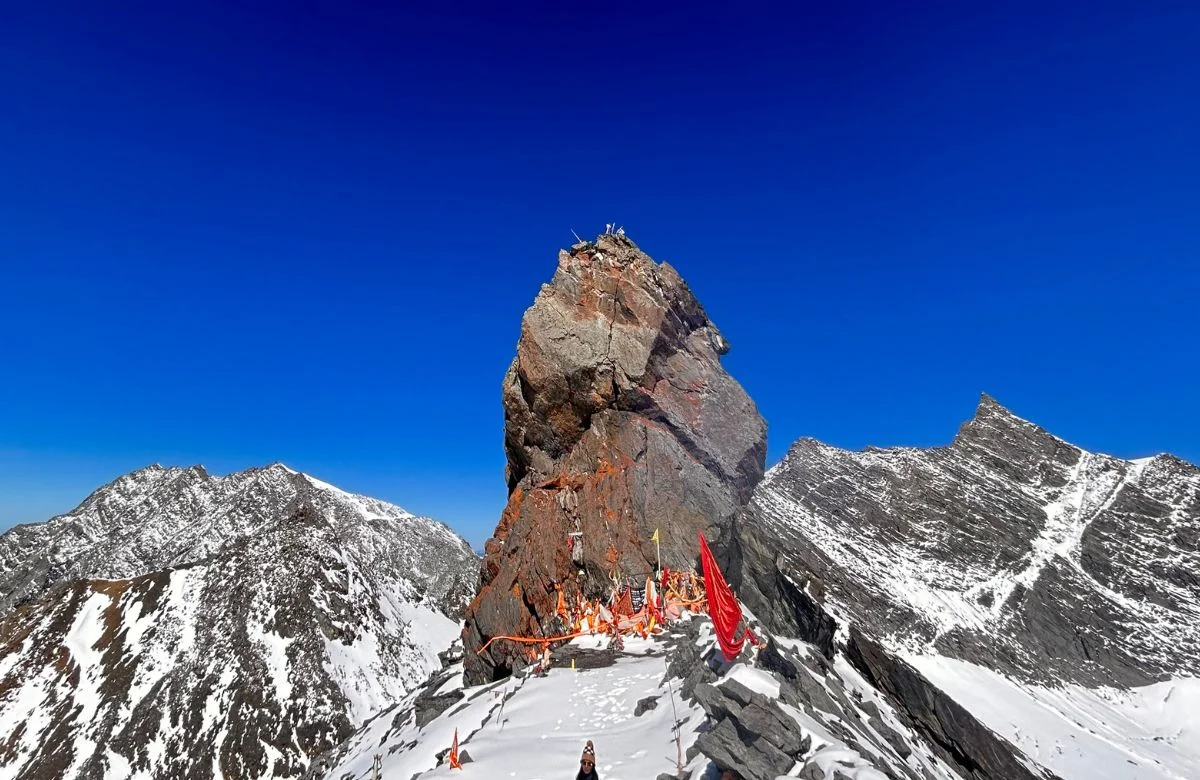
Dolma La Pass is where the kailash mansarovar temperature becomes most extreme for pilgrims. This crossing is done in the pre-dawn hours — typically departing Dirapuk between 3 and 4 AM to cross the pass before afternoon weather deteriorates. At that hour, at 5,630 metres, even in July, the actual air temperature at the pass is 0 to -5°C. Wind chill — and the pass is routinely exposed to strong winds — pushes the perceived temperature to -10°C to -20°C or below.
- Wind chill at Dolma La can feel like -15°C to -20°C even in peak July/August season
- Snow or ice on the ground at the pass is possible even in summer — crampons or microspikes are advised for early-season crossings (May/June)
- Temperature drops further as you gain altitude from Dirapuk — the 700-metre climb to the pass in the dark is the coldest sustained exposure of the entire yatra
- After the pass, the descent to Gauri Kund and Zuthulpuk brings temperatures back toward -2 to 5°C within 2 to 3 hours
Best Time for Kailash Mansarovar Yatra in 2027: Weather-Based Decision Guide
For 2027 yatra planning, the optimal departure window is between late May and the first week of October. Within that window, different months offer different trade-offs between temperature, crowd levels, and weather stability.
May to June: The Early Season Advantage
May and June offer some of the most stable kailash mansarovar weather of the entire season. Days are clear, dry, and bright. Daytime temperatures reach 8 to 15°C at Mansarovar and Darchen. The main trade-off is residual snow at higher altitudes — Dolma La may have ice on the trail in early May, requiring extra caution or microspikes. Crowds are lower than peak season. This is the recommended window for pilgrims who prioritise clear mountain views and stable weather over warmth.
July to August: Peak Season — Warmest But Wettest
July and August are the warmest months at Kailash Mansarovar, with daytime temperatures reaching 10 to 15°C at the lake and parikrama base. These are also the months with the most pilgrim activity — the MEA batches, the largest private operator departures, and the Saga Dawa Festival (if timing aligns) all concentrate in this window. The trade-off is afternoon weather instability: hailstorms, brief rain, and rapid cloud buildup are common from early afternoon onward, particularly on Day 2 of the parikrama. Starting the Dolma La crossing before 3 AM is more important in July and August than in any other month.
September: The Experienced Pilgrim's Choice
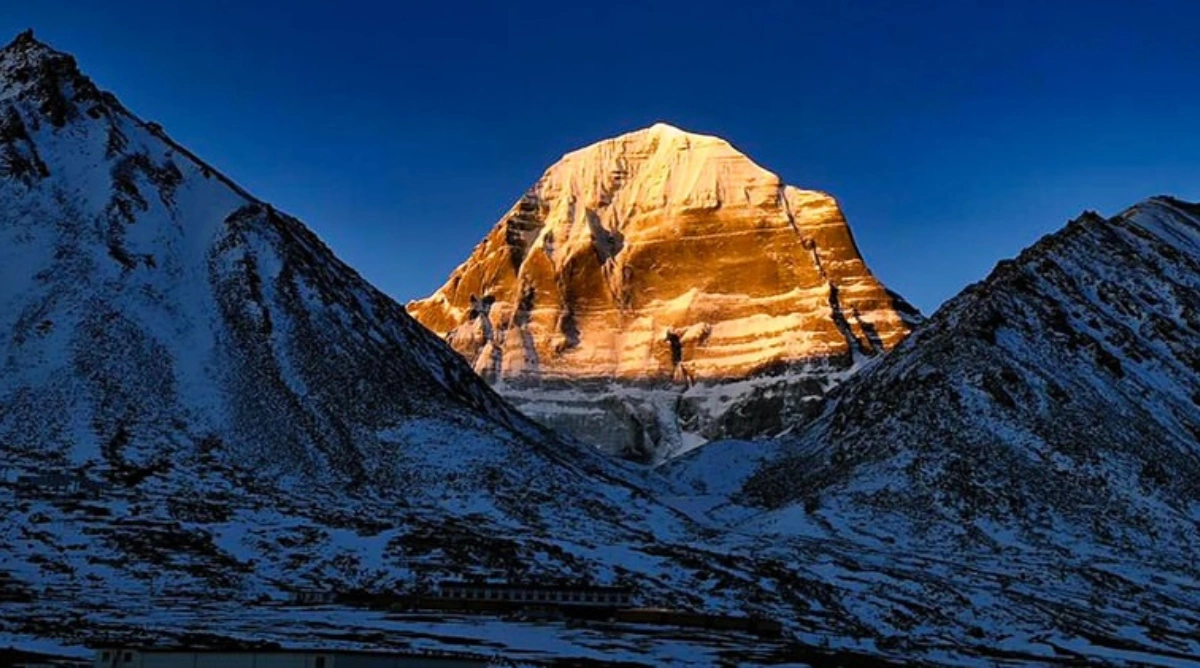
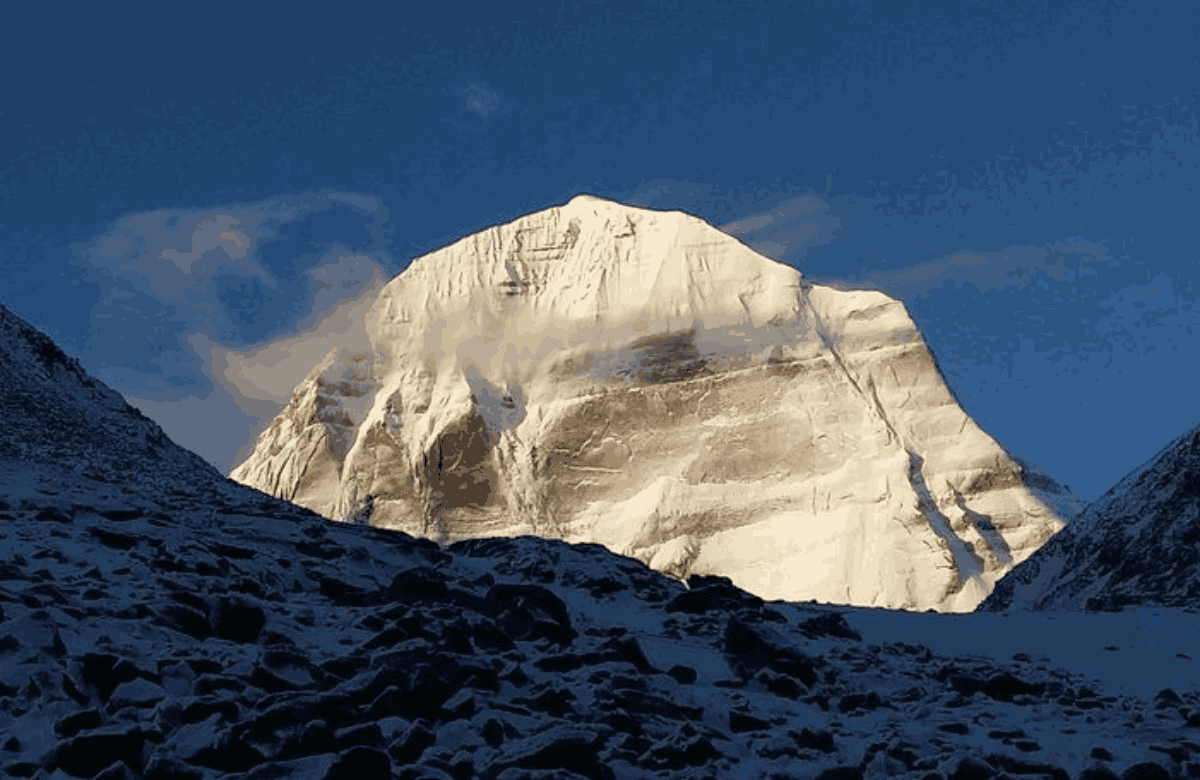
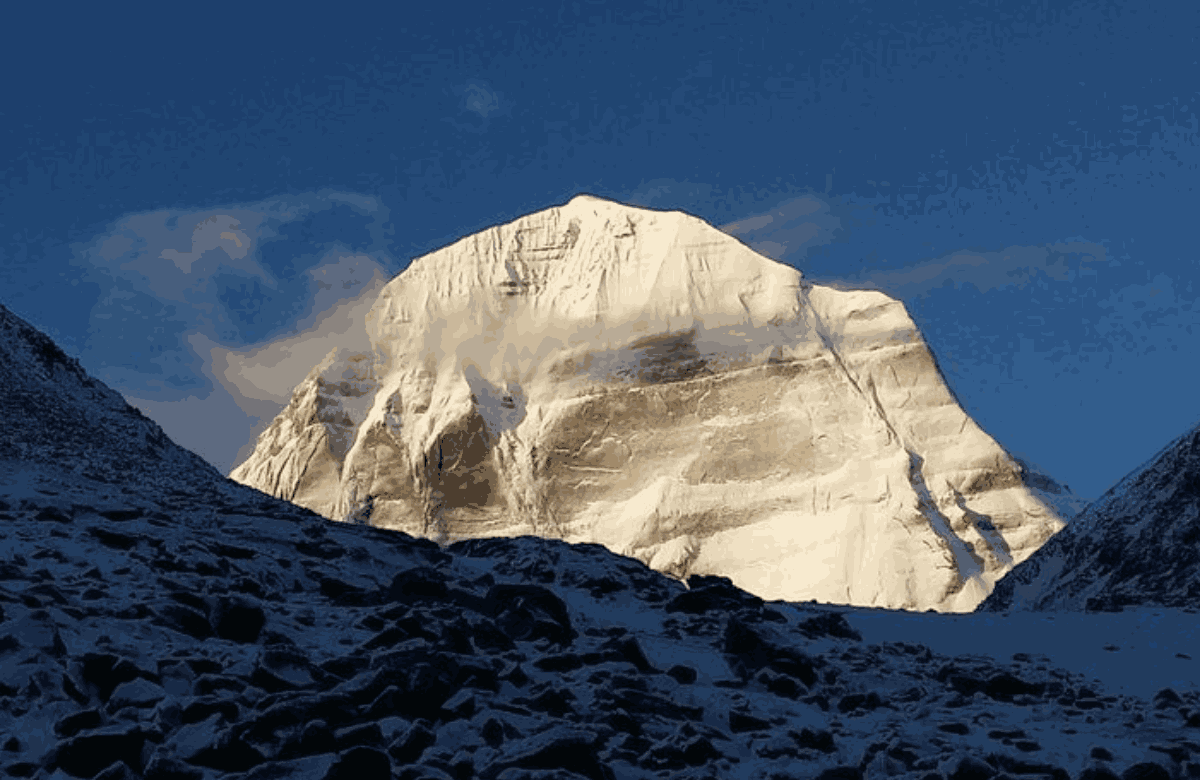
September is widely regarded as the best overall month for the kailash mansarovar yatra by experienced pilgrims and veteran tour operators. The monsoon influence has receded. Skies are extraordinarily clear. Daytime temperatures remain comfortable at 8 to 14°C. Crowds are significantly reduced compared to July and August. The views of Kailash from Dirapuk in September light — sharp, clear, with fresh snow on the summit — are described by virtually every pilgrim who has seen them as the definitive visual experience of the yatra. Nights are colder than July (dropping to -3 to -6°C at Darchen), so a warmer sleeping bag is required.
October: The Last Window — Proceed with Caution
October offers crisp, cold, exceptionally clear conditions but the season is closing fast. Night temperatures drop to -8 to -12°C at Mansarovar. The Dolma La can be icy and hazardous after mid-October. The route typically closes by late October to early November depending on snowfall. Pilgrims planning October departures in 2027 should confirm with their operator whether the route is confirmed open for their specific dates — do not assume October availability without verification.
What to Wear: Clothing Guide Based on Kailash Mansarovar Temperature
Given the extreme day-night temperature swings and the specific conditions at Dolma La Pass, the layering system is the only effective approach to dressing for the kailash mansarovar yatra. Here is exactly what the temperature data tells you to pack.
Base Layer — Worn at All Times
- Merino wool or synthetic moisture-wicking thermal top and bottom — worn every day and especially critical for the pre-dawn Dolma La crossing
- Avoid cotton — cotton loses all insulating properties when wet and dries very slowly at altitude; wet cotton in wind at 5,000 metres is a hypothermia risk
Mid Layer — Critical for Evenings and Early Mornings
- Down jacket (rated to -10°C minimum) — essential for all overnight camps and the Dolma La crossing
- Fleece jacket as an additional layer beneath the down — useful for the Darchen to Dirapuk day when temperatures drop rapidly in late afternoon
Outer Shell — Non-Negotiable
- Waterproof and windproof jacket (Gore-Tex or equivalent) — essential for all days on the parikrama; wind at 5,000 metres is unforgiving even in July
- Waterproof and windproof trousers — the Dolma La crossing in wind makes regular trekking trousers feel inadequate
Head, Hands, and Face
- Warm hat that covers ears (wool or fleece) — essential for all dawn and dusk movement and the full Dolma La crossing
- Balaclava or neck gaiter — wind at the pass requires face protection; many pilgrims underestimate this
- Thin liner gloves plus warm outer mittens or insulated gloves — hands suffer first at altitude when wind chill is factored in
- Sunglasses with UV400 protection — UV intensity at 5,000 metres is extreme; snow blindness is a real risk in May, June, and September when snow is present
- High-SPF sunscreen (SPF 50+) — sun reflecting off snow and clear high-altitude air burns very quickly; apply every 2 hours
Footwear
- Waterproof, insulated trekking boots — not trail runners or lightweight hiking shoes; the cold at Dolma La and the wet conditions near Gauri Kund require full boot protection
- Thick wool or expedition-weight socks — minimum 2 pairs for the parikrama days
- Microspikes or crampons if travelling in May or early June — ice on Dolma La is common at this time
- Camp shoes or lightweight insulated footwear for evenings at camp — your feet need recovery time from the boots
Conclusion: Respect the Temperature, Respect the Mountain
The kailash mansarovar temperature is not a detail to research once and then forget. It is the single most important practical factor shaping every element of your packing list, your departure timing, your physical preparation, and your safety on the parikrama. The mountain does not compromise on cold — and neither should your preparation. The best advice from every experienced Kailash yatri is consistent: pack warmer than the average temperatures suggest. Assume the Dolma La will be colder than expected. Assume the nights will be colder than the forecast. And then go anyway — because the view of Kailash's north face from Dirapuk at dawn, and the silence of Mansarovar Lake at sunrise, make every cold, difficult, hard-won moment of this journey completely, utterly worth it.